
Are rigging chain hooks resistant to chemicals? That's a question I get asked a lot as a supplier of Rigging Chain Hooks. And it's a good one, because when you're using rigging equipment, you want to make sure it can stand up to whatever it's going to be exposed to.
First off, let's talk about what rigging chain hooks are. They're used in all sorts of industries, from construction to shipping, to lift and move heavy loads. They're made of high - strength metal, usually steel, and are designed to be durable and reliable. But when it comes to chemicals, things get a bit more complicated.
Types of Chemicals and Their Effects
There are different types of chemicals that rigging chain hooks might come into contact with. Some common ones include acids, alkalis, and solvents.
Acids can be really tough on metal. Strong acids like sulfuric acid or hydrochloric acid can corrode the surface of the steel in rigging chain hooks. Corrosion weakens the metal, which can lead to cracks and eventually failure of the hook. For example, in a battery manufacturing plant where sulfuric acid is used, if a rigging chain hook accidentally gets splashed with the acid, it can start to eat away at the metal pretty quickly.
Alkalis, on the other hand, can also cause problems. Sodium hydroxide, a common alkali, can react with the metal in the hooks. It can form a layer of corrosion products on the surface, which can make the hook less effective and more prone to breakage. In a paper mill, where alkaline solutions are used in the pulping process, rigging chain hooks need to be protected from these chemicals.
Solvents are another concern. Some solvents, like acetone or toluene, can dissolve the protective coatings on the hooks. If the coating is damaged, the metal is more exposed to other chemicals and the environment, increasing the risk of corrosion.
Resistance Factors
Now, whether a rigging chain hook is resistant to chemicals depends on a few factors.
The type of metal used is crucial. Some steels are more resistant to corrosion than others. Stainless steel, for example, contains chromium, which forms a thin, protective oxide layer on the surface. This layer helps prevent corrosion from acids, alkalis, and some solvents. So, if you're working in an environment with a lot of chemicals, choosing a rigging chain hook made of stainless steel might be a good idea.
The coating on the hook also plays a big role. A good quality coating can act as a barrier between the metal and the chemicals. There are different types of coatings available, such as zinc plating or epoxy coatings. Zinc plating provides sacrificial protection, meaning that the zinc corrodes first, protecting the underlying steel. Epoxy coatings are great at providing a physical barrier against chemicals.
Testing for Chemical Resistance
At our company, we take chemical resistance seriously. We test our Rigging Chain Hooks in various chemical environments to make sure they can handle the real - world situations our customers might face.
We use a process called immersion testing. We immerse the hooks in different chemical solutions for a set period of time and then check for any signs of corrosion or damage. We also look at how the hooks perform under stress after being exposed to chemicals. This helps us determine if the hooks are still strong enough to do their job.
Real - World Applications
Let's look at some real - world scenarios where chemical resistance of rigging chain hooks matters.
In the oil and gas industry, rigging equipment is often exposed to harsh chemicals like drilling fluids and acids used in well - treatment processes. A rigging chain hook that isn't resistant to these chemicals can quickly deteriorate, which can be extremely dangerous. If a hook fails while lifting heavy equipment on an offshore platform, it could lead to serious accidents.
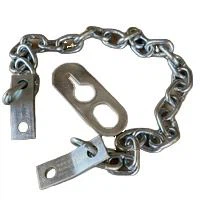
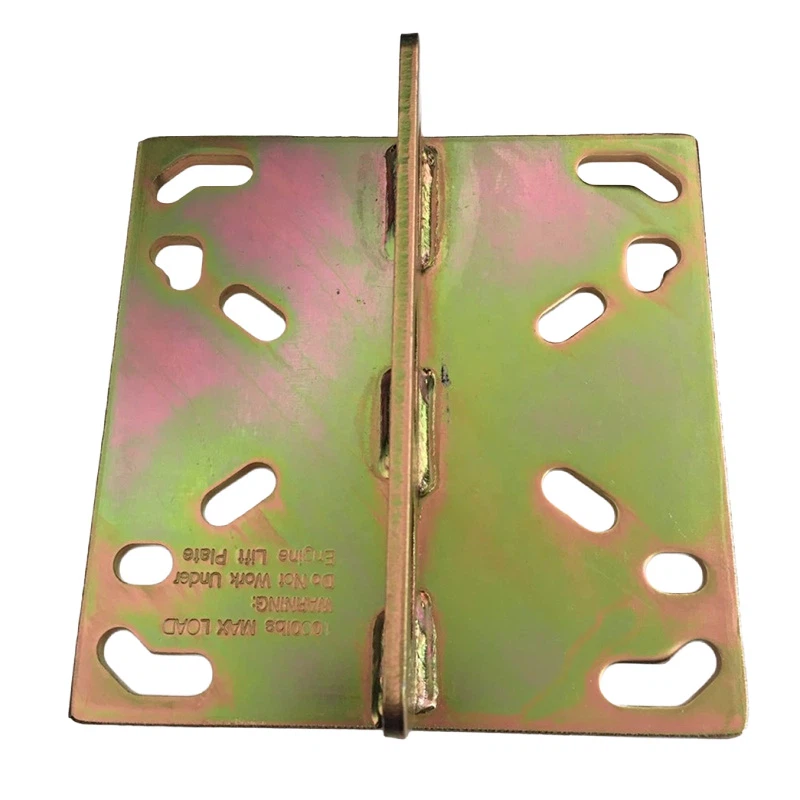
In the food and beverage industry, rigging chain hooks might come into contact with cleaning agents and sanitizers. These chemicals can be corrosive, so it's important that the hooks can withstand them. For example, in a brewery, hooks used to lift kegs need to be able to resist the cleaning chemicals used to sanitize the equipment.
Comparing with Other Products
It's also worth comparing rigging chain hooks with other related products like Portable Spring Balancer and Top Rated Trailer Hitches.
Portable spring balancers are used to support tools and equipment, and they might also be exposed to chemicals in some industrial settings. However, they have a different design and function compared to rigging chain hooks. While rigging chain hooks are mainly for lifting heavy loads, spring balancers are more about providing a balanced support for lighter tools. But just like rigging chain hooks, they also need to be resistant to chemicals to ensure their longevity.
Top rated trailer hitches are used for towing trailers. They can be exposed to road salts, which are a type of chemical. Road salts can cause corrosion on the metal parts of the hitch. Similar to rigging chain hooks, trailer hitches need to be made of corrosion - resistant materials or have protective coatings to prevent damage.
Conclusion and Call to Action
So, are rigging chain hooks resistant to chemicals? Well, it depends on the type of metal, the coating, and the specific chemicals they're exposed to. But with the right design and materials, we can make rigging chain hooks that are highly resistant to a wide range of chemicals.
If you're in the market for rigging chain hooks or other related products like Portable Spring Balancer or Top Rated Trailer Hitches, we're here to help. We have a wide range of products that are designed to meet your needs, whether you're working in a chemical - heavy environment or not. Contact us to discuss your requirements and let's find the best solution for you.
References
- Smith, J. (2018). "Corrosion Resistance of Metals in Industrial Environments". Industrial Metals Journal.
- Johnson, A. (2019). "Chemical Resistance Testing of Rigging Equipment". Rigging Technology Review.
- Brown, M. (2020). "The Impact of Chemicals on Metal Components in Manufacturing". Manufacturing Insights.