
As a door guide rail supplier, I've been in the industry long enough to know that storage conditions can have a huge impact on the quality of our products. One question that often pops up is: Can a door guide rail be damaged during storage? The short answer is yes, and in this blog, I'll break down the reasons and how to prevent it.
Factors That Can Damage Door Guide Rails in Storage
1. Moisture and Humidity
Moisture is one of the biggest enemies of door guide rails, especially those made of metal. When metal is exposed to moisture, it can start to rust. Rust not only makes the guide rail look bad but also weakens its structure. Over time, the rust can eat away at the metal, causing it to break or become less effective.
Let's say you store your door guide rails in a basement where the humidity levels are high. The damp air can cause condensation to form on the rails. This condensation is like a breeding ground for rust. Even if the rails are made of a rust-resistant material like stainless steel, prolonged exposure to high humidity can still lead to surface corrosion.
2. Physical Damage
During storage, door guide rails can be easily damaged if they're not stored properly. For example, if they're stacked on top of each other without proper padding, the weight of the upper rails can cause dents or bends in the lower ones. Also, if the storage area is crowded and there's a lot of movement, the rails can get knocked around, leading to scratches or other types of physical damage.
Imagine a storage facility where there are forklifts moving around constantly. If a forklift accidentally hits a stack of door guide rails, it can cause significant damage. Even a small dent can affect the smooth operation of the door, as the guide rail needs to be straight and smooth for the door to slide properly.
3. Temperature Fluctuations
Extreme temperature changes can also have a negative impact on door guide rails. When the temperature rises, the metal expands, and when it drops, it contracts. These constant expansions and contractions can cause stress on the rails, leading to cracks or other structural damage.
For instance, if you store the door guide rails in an uninsulated shed where the temperature can vary greatly between day and night, the rails may experience these expansion and contraction cycles. Over time, this can weaken the rails and reduce their lifespan.
How to Prevent Damage During Storage
1. Control the Storage Environment
To prevent moisture and humidity from damaging the door guide rails, it's important to store them in a dry and well-ventilated area. You can use dehumidifiers to keep the humidity levels in check. If possible, store the rails in a climate-controlled environment where the temperature and humidity can be regulated.
Also, make sure the storage area is clean and free from dust and debris. Dust can accumulate on the rails and act as a catalyst for corrosion. Regularly clean the storage area to keep it in good condition.
2. Proper Stacking and Padding
When stacking the door guide rails, use proper padding between each layer to prevent physical damage. You can use materials like foam or rubber to cushion the rails. Also, make sure the stack is stable and doesn't topple over.
If you have a large number of rails, consider using storage racks to keep them organized and prevent them from getting damaged. This way, you can easily access the rails when needed without having to move a lot of them around.
3. Protect the Rails
You can also protect the door guide rails by applying a protective coating. There are various types of coatings available, such as paint or a rust inhibitor. These coatings can provide an extra layer of protection against moisture and corrosion.
Before applying the coating, make sure the rails are clean and dry. Follow the manufacturer's instructions for applying the coating to ensure it provides the best protection.
Our Products and Their Storage Requirements
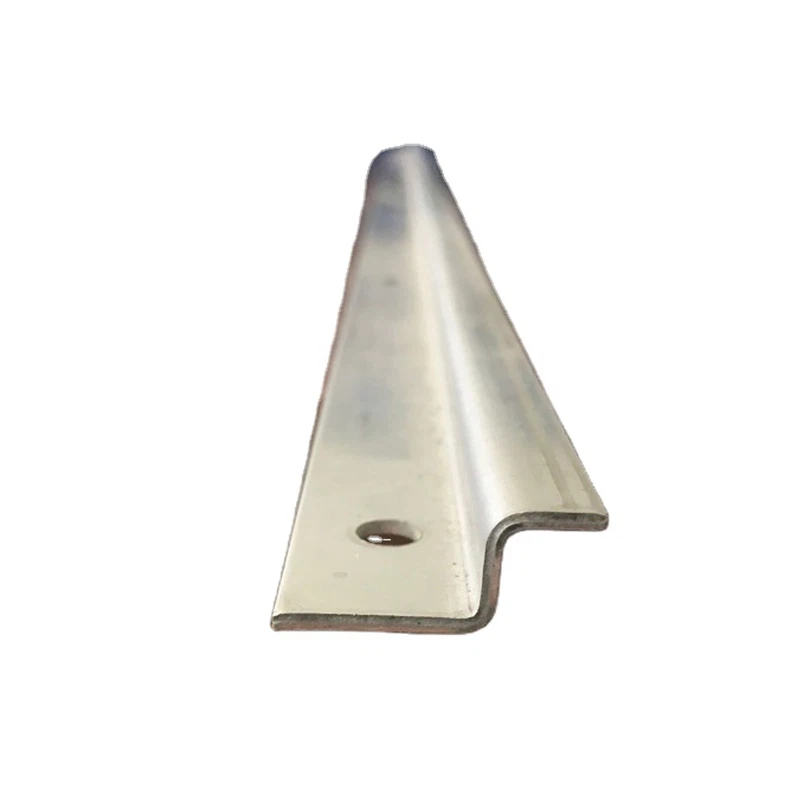
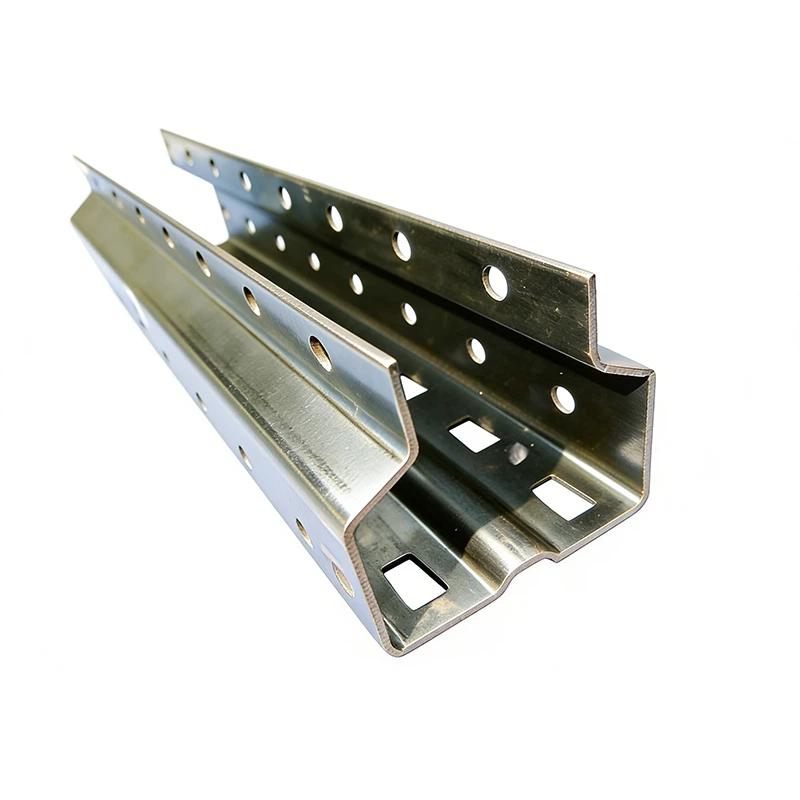
At our company, we offer a wide range of door guide rails, including those made from Cold Rolled Steel Profiles. These profiles are known for their strength and durability. However, like any other metal product, they need to be stored properly to maintain their quality.
We also provide Metal Window and Door Frames and Metal Door Window Frame. These products are designed to be used in conjunction with our door guide rails. When storing these frames, the same principles apply. Keep them in a dry and well-ventilated area, and protect them from physical damage.
Conclusion
In conclusion, door guide rails can definitely be damaged during storage if the right precautions aren't taken. Moisture, physical damage, and temperature fluctuations are all factors that can affect the quality of the rails. By controlling the storage environment, using proper stacking and padding, and protecting the rails with a coating, you can ensure that your door guide rails remain in good condition.
If you're in the market for high-quality door guide rails or related products, we'd love to hear from you. We're committed to providing our customers with the best products and services. Contact us to start a conversation about your specific needs and how we can help you.
References
- General knowledge from years of experience in the door guide rail industry.
- Industry research on metal corrosion and storage best practices.