
Do roller bearing rails need to be calibrated regularly? That's a question I get asked a lot as a supplier of roller bearing rails. And it's a valid one, too. After all, these rails are used in a wide range of applications, from industrial machinery to automotive components. So, let's dive into this topic and see what we can find out.
First off, let's understand what roller bearing rails are and how they work. Roller bearing rails are essentially a type of linear guide system. They use rollers to reduce friction between the moving parts, allowing for smooth and precise linear motion. This is crucial in many applications where accuracy and efficiency are key.
Now, onto the big question: do they need regular calibration? Well, the short answer is yes, in most cases. But let's break it down a bit more.
Why Calibration is Important
Calibration ensures that the roller bearing rails are operating at their optimal performance. Over time, wear and tear can cause the rails to deviate from their original specifications. This can lead to a number of issues, such as increased friction, reduced accuracy, and even premature failure of the components.
For example, in industrial machinery, even a small misalignment in the roller bearing rails can cause significant problems. It can lead to uneven wear on the rollers, which can then affect the overall performance of the machine. This can result in increased downtime, higher maintenance costs, and lower productivity.
In automotive applications, like the Car Door Slide Rail, proper calibration is essential for smooth and quiet operation. If the rails are not calibrated correctly, the car door may not open or close properly, which can be a safety hazard.
Factors Affecting the Need for Calibration
The frequency of calibration depends on several factors. One of the most important factors is the operating environment. If the rails are used in a harsh environment, such as high temperatures, high humidity, or a lot of dust and debris, they will likely need to be calibrated more often.
Another factor is the load and usage. If the rails are subjected to heavy loads or high-speed operation, they will experience more wear and tear, and thus require more frequent calibration.
The quality of the roller bearing rails also plays a role. Higher-quality rails are generally more durable and require less frequent calibration. However, even the best rails will eventually need to be calibrated.
How to Calibrate Roller Bearing Rails
Calibrating roller bearing rails is not a simple task. It requires specialized tools and expertise. The first step is to measure the alignment of the rails. This can be done using precision measuring devices, such as laser alignment tools.
Once the alignment is measured, any adjustments can be made. This may involve tightening or loosening the mounting bolts, or adjusting the shims. It's important to make these adjustments carefully, as even a small mistake can cause further problems.
After the adjustments are made, the rails should be re-measured to ensure that they are properly calibrated. This process may need to be repeated several times to achieve the desired level of accuracy.
Benefits of Regular Calibration
Regular calibration of roller bearing rails offers several benefits. As mentioned earlier, it helps to ensure optimal performance. This means smoother operation, higher accuracy, and reduced wear and tear on the components.
It also helps to extend the lifespan of the rails. By detecting and correcting any misalignments early on, you can prevent more serious damage from occurring. This can save you a lot of money in the long run, as you won't have to replace the rails as often.
In addition, regular calibration can improve safety. In applications where the rails are used in critical systems, such as in elevators or medical equipment, proper calibration is essential to prevent accidents.
Our Role as a Supplier
As a supplier of roller bearing rails, we understand the importance of calibration. That's why we offer a range of services to help our customers keep their rails in top condition.
We can provide advice on the frequency of calibration based on the specific application and operating environment. We also offer calibration services, using the latest tools and techniques to ensure accurate and reliable results.
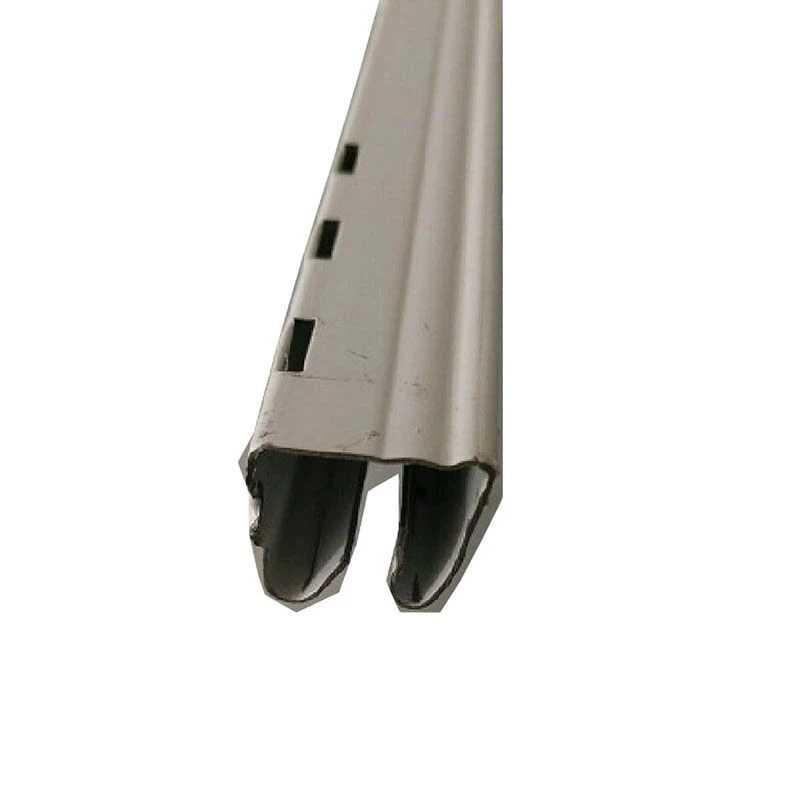
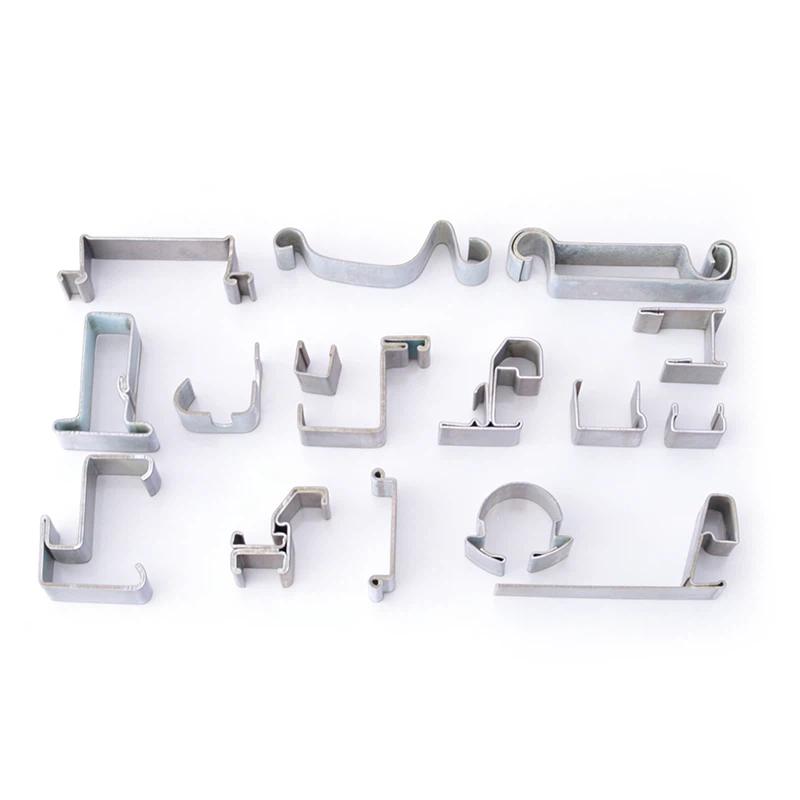
In addition, we supply high-quality roller bearing rails that are designed to be durable and require less frequent calibration. Our Door Guide Rail and Stereo Garage Profiles are just a few examples of our products that are built to last.
Conclusion
So, to answer the question, yes, roller bearing rails do need to be calibrated regularly. The frequency of calibration depends on several factors, but in general, it's a good idea to have them calibrated at least once a year.
Regular calibration offers many benefits, including improved performance, extended lifespan, and increased safety. As a supplier, we are committed to helping our customers get the most out of their roller bearing rails.
If you're in the market for roller bearing rails or need calibration services, don't hesitate to get in touch. We'd love to discuss your specific needs and find the best solution for you.
References
- "Linear Motion Systems: Design and Application" by David W. Mitchell
- "Roller Bearing Handbook" by Timken Company