
Raw Material Preparation
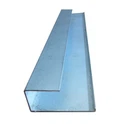
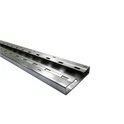
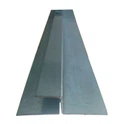
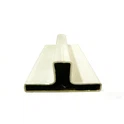
The manufacturing of tensioners begins with the preparation of raw materials. Typically, manufacturers select high-quality steel to serve as the primary material for the tensioners. This steel undergoes rigorous inspection and screening to ensure that its strength, toughness, and corrosion resistance meet the required specifications. Once the raw materials are prepared, the next step is processing.
Processing and Forming
The processing stage is a critical phase in the production of tensioners. First, the steel undergoes operations such as cutting and grinding to shape it into the appropriate form and dimensions. Subsequently, specialized molds are utilized for stamping and forming, giving the tensioner its basic external appearance and structural configuration. Throughout this process, workers must strictly control processing precision and forming quality to ensure that every tensioner meets the required standards.
Heat Treatment and Surface Treatment
Once the forming process is complete, the tensioners undergo further heat treatment and surface treatment. Heat treatment serves to enhance the steel's hardness and wear resistance, thereby extending the tensioner's service life. Surface treatment-which includes processes such as galvanizing and painting-aims to improve the tensioner's corrosion resistance and aesthetic appeal. These treatment processes are conducted using specialized equipment to ensure that the results are optimized for maximum effectiveness.
Quality Inspection and Packaging
Finally, the tensioners undergo rigorous quality inspections. These inspections cover various aspects, including visual quality, dimensional accuracy, and performance. Only tensioners that meet the required standards proceed to the packaging stage. During the packaging process, workers pack the items according to prescribed quantities and methods, ensuring that the tensioners remain undamaged throughout transportation and storage.