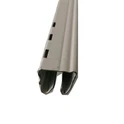

As a supplier of metal door window frames, I understand the growing demand for energy - efficient solutions in the construction industry. In this blog, I'll share some effective ways to enhance the energy efficiency of metal door window frames.
1. Material Selection
The choice of materials is the first and most crucial step in improving energy efficiency. High - quality metals, such as aluminum and steel, are commonly used for door window frames. Aluminum is lightweight, corrosion - resistant, and has good thermal conductivity. However, pure aluminum can transfer heat easily, which is not ideal for energy efficiency. To address this, we can use thermally broken aluminum frames.
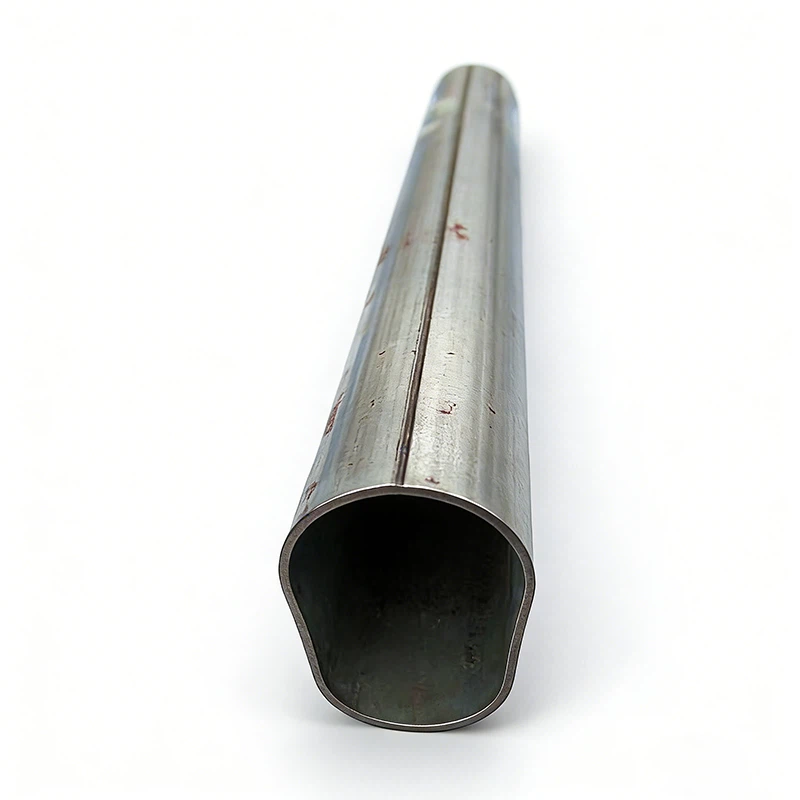
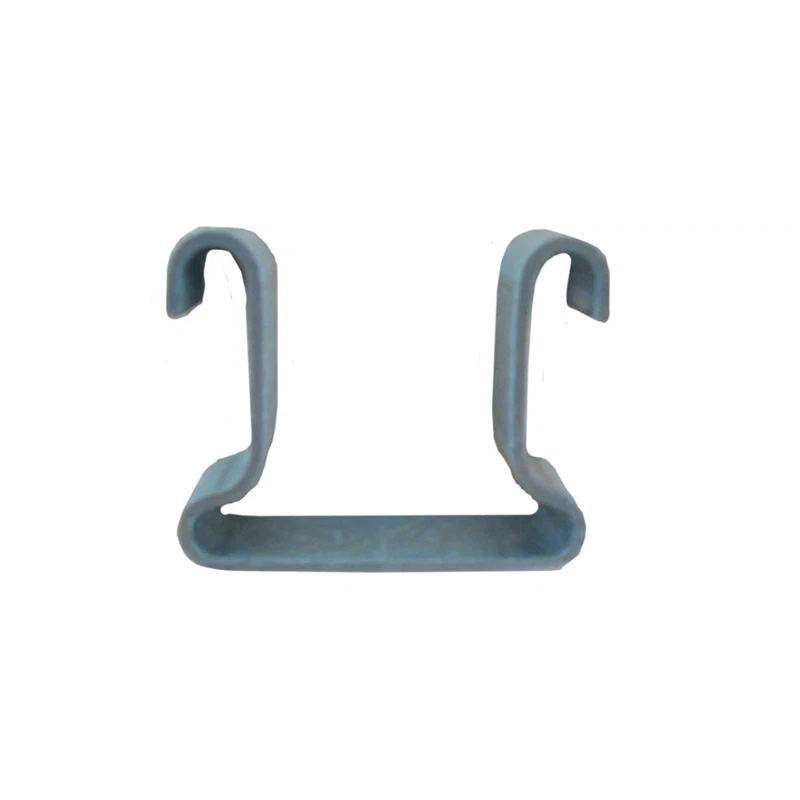
Thermally broken aluminum frames have a barrier, usually made of a non - conductive material like polyamide, inserted between the inner and outer parts of the frame. This barrier significantly reduces heat transfer through the frame, preventing heat from escaping in winter and entering in summer. For example, a well - designed thermally broken aluminum frame can reduce heat loss by up to 50% compared to a non - thermally broken frame.
Steel frames, on the other hand, are strong and durable. They can also be made more energy - efficient through proper insulation. Some steel frames are now being produced with insulated cores or coatings that help to reduce heat transfer. When selecting materials, it's important to consider the specific climate conditions of the building's location. In colder regions, frames with higher insulation properties are preferred, while in warmer areas, frames that can effectively block solar heat gain are more suitable.
2. Frame Design
The design of the metal door window frame also plays a vital role in energy efficiency. A well - designed frame should have a tight fit with the wall opening and the glass. This helps to prevent air leakage, which is a major cause of energy loss.
One effective design feature is the use of multi - chambered frames. Multi - chambered frames have multiple compartments within the frame structure. These compartments act as insulation, reducing heat transfer. For instance, a three - chambered frame can provide better insulation than a single - chambered frame.
Another important aspect of frame design is the profile shape. A well - designed profile can improve the frame's ability to hold the glass securely and create a better seal. For example, some frames have a special lip or gasket design that helps to keep the glass in place and prevent air and water infiltration.
Moreover, the frame's overall dimensions and the ratio of glass to frame area also affect energy efficiency. A larger glass area allows more natural light to enter the building, reducing the need for artificial lighting. However, too much glass can also lead to increased heat gain or loss. Therefore, it's important to find the right balance between the glass and frame area based on the building's energy requirements.
3. Glass Selection
The type of glass used in the door window frames has a significant impact on energy efficiency. Double - glazed or triple - glazed glass is a popular choice for energy - efficient windows. Double - glazed glass consists of two panes of glass separated by a layer of air or gas, usually argon. The gas layer acts as an insulator, reducing heat transfer between the inside and outside of the building.
Triple - glazed glass, as the name suggests, has three panes of glass with two layers of gas in between. This provides even better insulation than double - glazed glass. In addition to the number of panes, the type of glass coating also matters. Low - emissivity (Low - E) coatings can reflect infrared radiation, reducing heat transfer through the glass. These coatings can be applied to one or more panes of the glass to improve energy efficiency.
For example, a window with Low - E coated double - glazed glass can reduce heat loss by up to 30% compared to a single - pane window. When selecting glass, it's also important to consider the solar heat gain coefficient (SHGC). A lower SHGC means less solar heat is transferred through the glass, which is beneficial in warmer climates.
4. Sealing and Weatherstripping
Proper sealing and weatherstripping are essential for preventing air and water leakage around the door window frames. High - quality seals and weatherstripping materials can significantly improve energy efficiency.
Silicone seals are a popular choice for metal door window frames. They are flexible, durable, and can provide a tight seal. Weatherstripping, such as rubber or foam strips, can be installed around the edges of the frame to prevent air infiltration. These strips should be replaced regularly to ensure their effectiveness.
In addition to the seals and weatherstripping around the frame, the joints between the frame and the wall should also be properly sealed. This can be done using caulking or sealants. A well - sealed frame can prevent drafts and reduce energy loss.
5. Installation Quality
The installation of metal door window frames is just as important as the materials and design. A poorly installed frame can lead to air and water leakage, reducing energy efficiency.
During installation, it's important to ensure that the frame is level and plumb. Any gaps between the frame and the wall should be filled with insulation material to prevent heat transfer. The glass should be installed correctly, with proper seals around the edges.
Professional installers should be used to ensure that the installation is done correctly. They have the skills and experience to handle the installation process and can ensure that the frame is properly sealed and insulated.
6. Maintenance
Regular maintenance of metal door window frames is necessary to maintain their energy efficiency. This includes cleaning the frames and glass regularly to remove dirt and debris. Dirt and debris can reduce the effectiveness of the seals and insulation.
The seals and weatherstripping should be checked regularly for signs of wear and tear. If any damage is found, they should be replaced immediately. The frame should also be inspected for any signs of corrosion or damage. If corrosion is detected, it should be treated promptly to prevent further damage.
Conclusion
Enhancing the energy efficiency of metal door window frames requires a comprehensive approach that includes material selection, frame design, glass selection, sealing, installation, and maintenance. By implementing these strategies, we can provide our customers with high - quality, energy - efficient door window frames that not only reduce energy consumption but also improve the comfort of the building.
If you are interested in purchasing energy - efficient metal door window frames, please feel free to contact us for more information and to discuss your specific requirements. We are committed to providing the best products and services to meet your needs.
References
- "Energy - Efficient Windows: A Guide to Selection and Installation" by the U.S. Department of Energy
- "Building Envelope Design for Energy Efficiency" by the American Institute of Architects
As a reminder, we also offer a variety of other cold - rolled products, such as Cold Rolled Profiles for Automotive, Guardrail Column, and Cold Rolled Sheet Pile. If you have any interest in these products, please don't hesitate to reach out. We look forward to the opportunity to work with you on your next project.