
In the bustling world of logistics and warehousing, the container leveler stands as a crucial piece of equipment. As a supplier of container levelers, I often encounter inquiries about its versatility, especially regarding its use for manual loading and unloading in addition to forklift operations. This blog post aims to delve into this topic, exploring the feasibility and benefits of using a container leveler for both manual and forklift-assisted tasks.
Understanding the Container Leveler
Before we discuss its dual-use capabilities, let's first understand what a container leveler is. A container leveler is a mechanical device designed to bridge the gap between a loading dock and a container. It provides a smooth transition for the movement of goods in and out of containers, ensuring efficient and safe loading and unloading operations. The primary function of a container leveler is to adjust the height difference between the dock and the container, allowing forklifts to move freely and easily.
Forklift Use with Container Levelers
Forklifts are the most common equipment used in conjunction with container levelers. They are powerful and efficient, capable of moving heavy loads quickly. When using a forklift with a container leveler, the operator can drive the forklift onto the leveler, which is adjusted to match the height of the container. This allows the forklift to enter the container smoothly and load or unload goods. The container leveler provides a stable platform for the forklift, reducing the risk of accidents and ensuring the safety of the operator and the goods.
Manual Loading and Unloading with Container Levelers
While forklifts are the preferred method for loading and unloading large and heavy items, there are situations where manual labor may be necessary. For example, when dealing with small or delicate items, manual handling may be more appropriate to prevent damage. Additionally, in some cases, the use of forklifts may be restricted due to space limitations or other factors. In these situations, a container leveler can still be used for manual loading and unloading.
The container leveler provides a stable and level surface for workers to stand on while loading or unloading goods. It eliminates the need for workers to climb in and out of the container, reducing the risk of falls and injuries. Workers can use hand trucks or other manual handling equipment to move the goods onto the leveler and then transfer them to the dock or vice versa. This method is particularly useful for small businesses or operations with limited resources.
Benefits of Using a Container Leveler for Manual Loading and Unloading
- Safety: The container leveler provides a stable and level surface, reducing the risk of falls and injuries. Workers can stand on the leveler without having to worry about uneven surfaces or tripping hazards.
- Efficiency: Manual loading and unloading can be time-consuming, but the container leveler can help to speed up the process. Workers can move the goods more quickly and easily, reducing the overall time required for loading and unloading.
- Versatility: The container leveler can be used for both manual and forklift-assisted loading and unloading, making it a versatile piece of equipment. It can adapt to different types of goods and loading requirements, providing a flexible solution for various operations.
- Cost-effective: Using a container leveler for manual loading and unloading can be a cost-effective alternative to using forklifts. It eliminates the need for expensive forklift equipment and reduces the cost of labor.
Considerations for Manual Loading and Unloading
While a container leveler can be used for manual loading and unloading, there are some considerations to keep in mind.
- Weight capacity: The container leveler has a maximum weight capacity, and it is important to ensure that the weight of the goods being loaded or unloaded does not exceed this capacity. Overloading the leveler can cause damage to the equipment and pose a safety risk.
- Manual handling techniques: Workers should be trained in proper manual handling techniques to prevent injuries. This includes using the correct lifting posture, using hand trucks or other equipment to assist with the movement of goods, and taking breaks to avoid fatigue.
- Space requirements: Manual loading and unloading may require more space than forklift operations. It is important to ensure that there is enough space on the leveler and the dock to accommodate the workers and the goods.
Related Products
In addition to container levelers, there are other products that can be used in conjunction with them to enhance the efficiency and safety of loading and unloading operations.
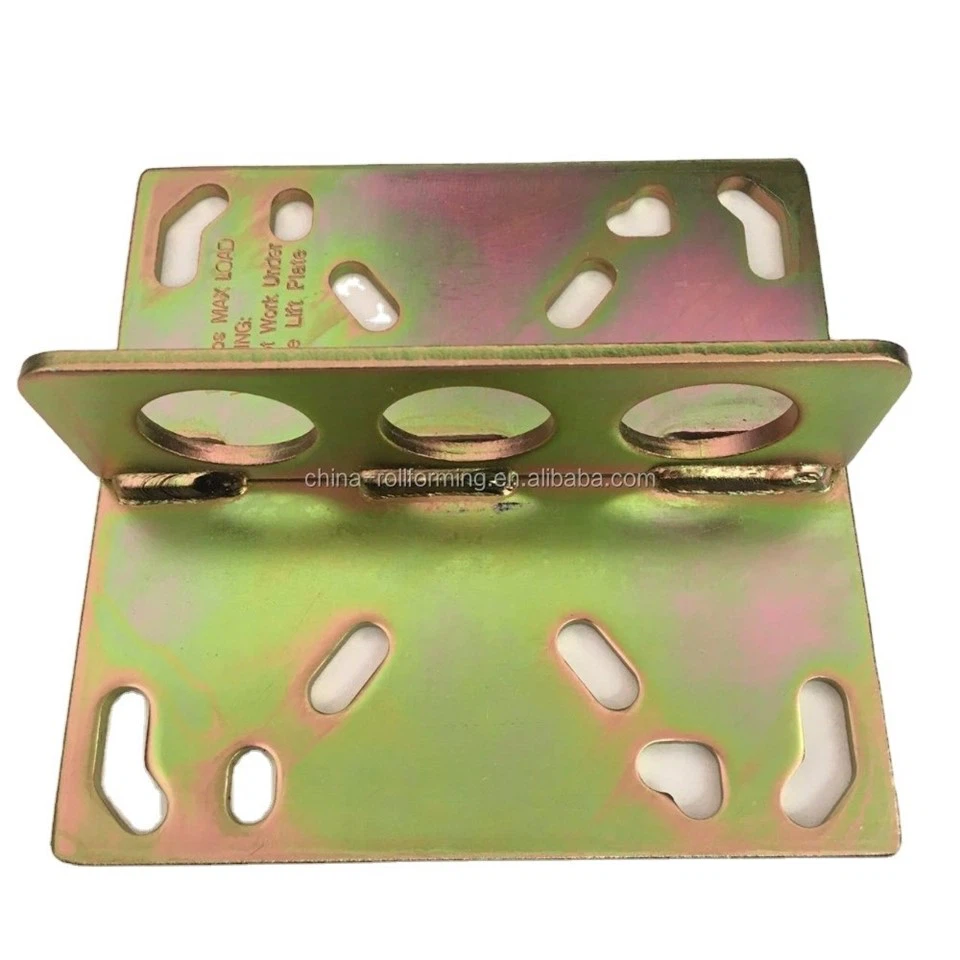
- Portable Spring Balancer: A portable spring balancer can be used to support the weight of tools or equipment during manual loading and unloading. It helps to reduce the strain on workers' arms and shoulders, making the task easier and safer.
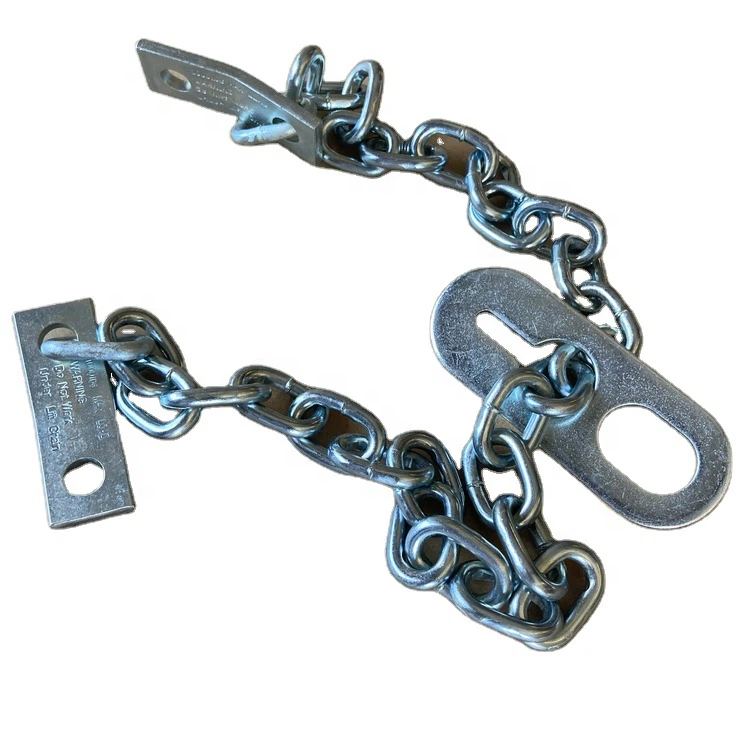
- Rigging Chain Hooks: Rigging chain hooks are used to secure the container leveler to the container or the dock. They provide a reliable connection, ensuring the stability of the leveler during operation.
- Top Rated Trailer Hitches: Trailer hitches are used to connect the container leveler to a trailer or other vehicle. They allow for easy transportation of the leveler between different locations.
Conclusion
In conclusion, a container leveler can be used for both manual loading and unloading in addition to forklift use. It provides a safe and efficient solution for moving goods in and out of containers, regardless of the method of handling. Whether you are using a forklift or manual labor, a container leveler can help to streamline your operations and improve productivity.
If you are interested in learning more about our container levelers or other related products, please feel free to contact us for a detailed discussion. We are committed to providing high-quality equipment and excellent customer service to meet your specific needs.
References
- "Warehouse Equipment Handbook" - A comprehensive guide to various warehouse equipment, including container levelers.
- "Manual Handling Guidelines" - Published by occupational health and safety organizations, providing information on proper manual handling techniques.