
Ensuring the proper alignment of rigging chain hooks is a critical aspect of any lifting operation. As a supplier of rigging chain hooks, I understand the importance of this process and the potential risks associated with misaligned hooks. In this blog post, I will share some key strategies and best practices to help you ensure the proper alignment of rigging chain hooks, thereby enhancing safety and efficiency in your lifting operations.
Understanding the Basics of Rigging Chain Hooks
Before delving into the alignment process, it is essential to have a basic understanding of rigging chain hooks. Rigging chain hooks are used to connect lifting chains to loads, and they come in various shapes and sizes to accommodate different types of loads and lifting applications. The most common types of rigging chain hooks include eye hooks, clevis hooks, and grab hooks.
Each type of hook has its own unique design and functionality, and it is crucial to select the right hook for your specific lifting application. For example, eye hooks are typically used for vertical lifting applications, while clevis hooks are more suitable for horizontal or angular lifting applications. Grab hooks, on the other hand, are designed to quickly and easily attach to loads without the need for additional hardware.
Importance of Proper Alignment
Proper alignment of rigging chain hooks is essential for several reasons. First and foremost, it ensures the safety of the lifting operation. Misaligned hooks can cause the load to shift or become unstable, increasing the risk of accidents and injuries. Additionally, proper alignment helps to distribute the load evenly across the hook, reducing the stress on the hook and the chain, and extending their lifespan.
Moreover, proper alignment can improve the efficiency of the lifting operation. When the hooks are properly aligned, the load can be lifted and moved more smoothly and quickly, reducing downtime and increasing productivity. This is particularly important in industries where time is of the essence, such as construction, manufacturing, and logistics.
Key Strategies for Ensuring Proper Alignment
Now that we understand the importance of proper alignment, let's explore some key strategies and best practices to help you ensure the proper alignment of rigging chain hooks.
1. Pre - Inspection
Before using the rigging chain hooks, it is crucial to conduct a thorough pre - inspection. Check the hooks for any signs of damage, such as cracks, bends, or wear. Make sure the hooks are clean and free of debris, as dirt and debris can interfere with the alignment process. Additionally, verify that the hooks are the correct size and type for the load and the lifting application.
2. Use of Alignment Tools
There are several alignment tools available that can help you ensure the proper alignment of rigging chain hooks. For example, laser alignment tools can be used to precisely align the hooks with the load. These tools project a laser beam onto the hook and the load, allowing you to visually confirm that the hook is properly aligned. Another useful tool is a hook alignment gauge, which can be used to measure the angle and position of the hook relative to the load.
3. Follow Manufacturer's Guidelines
Each rigging chain hook is designed and manufactured to specific standards and guidelines. It is important to follow the manufacturer's instructions regarding the use, installation, and alignment of the hooks. These guidelines will provide you with detailed information on how to properly align the hooks for optimal performance and safety.
4. Training and Education
Proper training and education are essential for ensuring the proper alignment of rigging chain hooks. All personnel involved in the lifting operation should be trained on the correct use of the hooks, as well as the importance of proper alignment. Training should include hands - on practice and demonstrations to ensure that the personnel understand the concepts and procedures.
5. Regular Maintenance
Regular maintenance of the rigging chain hooks is crucial for ensuring their proper alignment and performance. Inspect the hooks regularly for signs of wear and damage, and replace any worn or damaged hooks immediately. Lubricate the hooks as recommended by the manufacturer to prevent corrosion and ensure smooth operation.
Case Studies
To illustrate the importance of proper alignment, let's look at a couple of case studies.
In a construction project, a team was using rigging chain hooks to lift heavy steel beams. Due to improper alignment of the hooks, the beams started to shift during the lifting process. This caused the load to become unstable, and one of the beams fell, resulting in significant damage to the equipment and a near - miss accident. After the incident, the team implemented a more rigorous alignment process, including the use of alignment tools and additional training for the personnel. As a result, the subsequent lifting operations were much safer and more efficient.
In a manufacturing facility, a company was using rigging chain hooks to move large containers. By ensuring proper alignment of the hooks, they were able to reduce the time required for each lifting operation by 20%. This not only increased productivity but also reduced the wear and tear on the hooks and the chains, resulting in cost savings in the long run.

Related Products
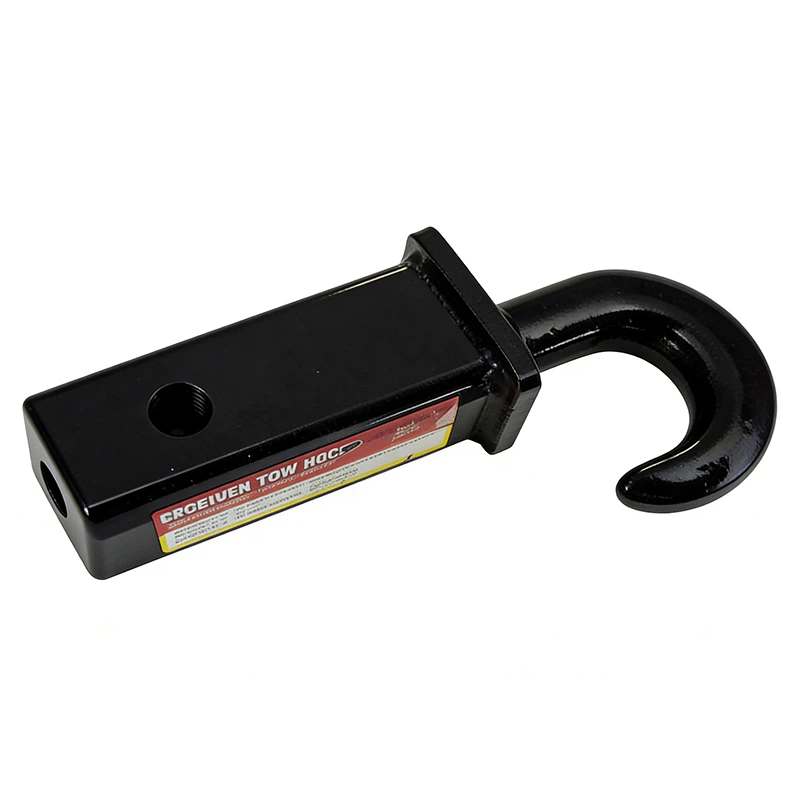
In addition to rigging chain hooks, we also offer a range of related products that can enhance the safety and efficiency of your lifting operations. For example, we provide Metal Shelves for Supermarket which are made of high - quality metal and are designed to withstand heavy loads. Our Top Rated Trailer Hitches are also a popular choice for those in the transportation industry, as they provide a secure and reliable connection between the trailer and the vehicle. And our Container Leveler can help to ensure that the containers are properly leveled during loading and unloading, reducing the risk of accidents.
Contact for Purchase and Consultation
If you are interested in purchasing rigging chain hooks or any of our other products, or if you have any questions or need further advice on ensuring the proper alignment of rigging chain hooks, please feel free to contact us. Our team of experts is always ready to assist you and provide you with the best solutions for your lifting needs.
References
- American Society of Mechanical Engineers (ASME). B30.10 - 2018, Hooks.
- Occupational Safety and Health Administration (OSHA). 29 CFR 1910.184, Rigging Equipment for Material Handling.
- International Organization for Standardization (ISO). ISO 759 - 2007, Steel chain for general lifting purposes - Grade T (8), fine tolerance.