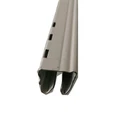

Selecting the appropriate cold-formed I beam for a project is a crucial decision that can significantly impact the success and safety of your construction or engineering endeavor. As a cold-formed I beam supplier, I understand the importance of making informed choices. In this blog post, I'll guide you through the key factors to consider when selecting the right cold-formed I beam for your project.
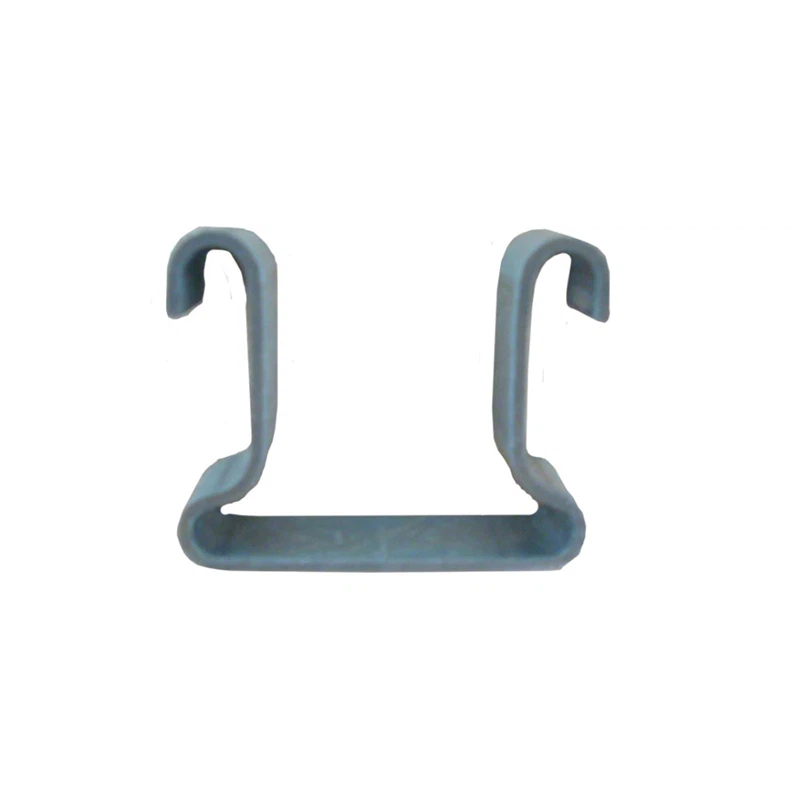

Understanding Cold-Formed I Beams
Cold-formed I beams are structural steel members that are formed at room temperature through a process of bending and shaping. This manufacturing method allows for precise control over the beam's dimensions and properties, resulting in a high-quality and cost-effective solution for a wide range of applications. Cold-formed I beams are commonly used in construction, automotive, and industrial applications due to their strength, durability, and versatility.
Factors to Consider When Selecting Cold-Formed I Beams
1. Load Requirements
The first step in selecting the appropriate cold-formed I beam is to determine the load requirements of your project. This includes the dead load (the weight of the structure itself) and the live load (the weight of the occupants, furniture, and other movable objects). You'll need to calculate the total load that the beam will need to support and ensure that the selected beam has the capacity to handle this load without excessive deflection or failure.
2. Span Length
The span length is the distance between the supports of the beam. Longer spans require stronger beams to prevent excessive deflection and ensure structural stability. When selecting a cold-formed I beam, you'll need to consider the span length and choose a beam with the appropriate depth and flange width to support the load over the given span.
3. Material Properties
The material properties of the cold-formed I beam are also important to consider. The most common materials used for cold-formed I beams are steel, which offers high strength and durability. You'll need to choose a material with the appropriate yield strength and ultimate strength to meet the load requirements of your project. Additionally, you may need to consider other factors such as corrosion resistance and fire resistance, depending on the specific application.
4. Section Shape and Size
The section shape and size of the cold-formed I beam can also affect its performance. Different section shapes and sizes have different properties and are suitable for different applications. For example, a wider flange beam may be more suitable for applications where lateral stability is a concern, while a deeper beam may be more suitable for applications where high bending strength is required. You'll need to choose a section shape and size that is appropriate for the load requirements and span length of your project.
5. Connection Requirements
The connection requirements of your project are also important to consider when selecting a cold-formed I beam. You'll need to ensure that the beam can be easily connected to other structural members using appropriate fasteners or welding techniques. The connection details should be designed to transfer the loads between the beam and the other members effectively and safely.
Applications of Cold-Formed I Beams
Cold-formed I beams are used in a wide range of applications, including:
- Construction: Cold-formed I beams are commonly used in the construction of buildings, bridges, and other structures. They are used as primary structural members, such as columns and beams, as well as secondary members, such as purlins and girts.
- Automotive: Cold-formed I beams are used in the automotive industry for a variety of applications, including car door slide rails Car Door Slide Rail. They are used to provide structural support and improve the safety and performance of vehicles.
- Industrial: Cold-formed I beams are used in the industrial sector for a variety of applications, including stereo garage profiles Stereo Garage Profiles and cold rolled sheet piles Cold Rolled Sheet Pile. They are used to provide structural support and improve the efficiency and productivity of industrial processes.
Our Cold-Formed I Beam Offerings
As a cold-formed I beam supplier, we offer a wide range of high-quality cold-formed I beams to meet the needs of our customers. Our beams are available in a variety of sizes, shapes, and materials to suit different applications and load requirements. We also offer custom fabrication services to ensure that our beams are tailored to your specific project needs.
Contact Us for Procurement
If you're in need of cold-formed I beams for your project, we'd be happy to help. Our team of experts can assist you in selecting the appropriate beam for your application and provide you with a competitive quote. Contact us today to discuss your project requirements and start the procurement process.
References
- American Institute of Steel Construction (AISC). (2017). Specification for Structural Steel Buildings.
- Steel Construction Manual, 15th Edition. (2020). American Institute of Steel Construction.
- Cold-Formed Steel Design Manual. (2016). American Iron and Steel Institute.