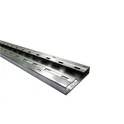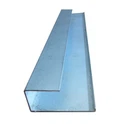

Corrosion resistance is a crucial factor when it comes to cold-rolled sections. As a supplier of cold-rolled sections, I've witnessed firsthand the significance of this property in various applications. In this blog, we'll explore what corrosion resistance means for cold-rolled sections, why it matters, and how it impacts different industries.
Understanding Corrosion and Its Impact on Cold-Rolled Sections
Corrosion is a natural process that occurs when metals react with their environment, leading to the deterioration of their physical and chemical properties. For cold-rolled sections, which are commonly used in construction, manufacturing, and other industries, corrosion can have serious consequences. It can weaken the structural integrity of the sections, reduce their lifespan, and even pose safety risks.
The corrosion of cold-rolled sections is primarily caused by exposure to moisture, oxygen, and other corrosive substances. When these elements come into contact with the metal surface, they initiate a chemical reaction that forms rust or other corrosion products. The rate of corrosion depends on several factors, including the type of metal, the environment, and the presence of protective coatings.
Factors Affecting the Corrosion Resistance of Cold-Rolled Sections
Metal Composition
The type of metal used in cold-rolled sections plays a significant role in their corrosion resistance. Some metals, such as stainless steel, are inherently more resistant to corrosion due to the presence of alloying elements like chromium and nickel. These elements form a protective oxide layer on the metal surface, which acts as a barrier against corrosion. On the other hand, carbon steel, which is commonly used in cold-rolled sections, is more susceptible to corrosion and requires additional protection.
Surface Finish
The surface finish of cold-rolled sections can also affect their corrosion resistance. A smooth and clean surface is less likely to trap moisture and other corrosive substances, reducing the risk of corrosion. Additionally, certain surface treatments, such as galvanizing or painting, can provide an extra layer of protection against corrosion.
Environmental Conditions
The environment in which cold-rolled sections are used has a significant impact on their corrosion resistance. Sections exposed to high humidity, saltwater, or industrial pollutants are more likely to corrode than those in a dry and clean environment. In coastal areas, for example, the presence of salt in the air can accelerate the corrosion process, making it essential to use corrosion-resistant materials or protective coatings.
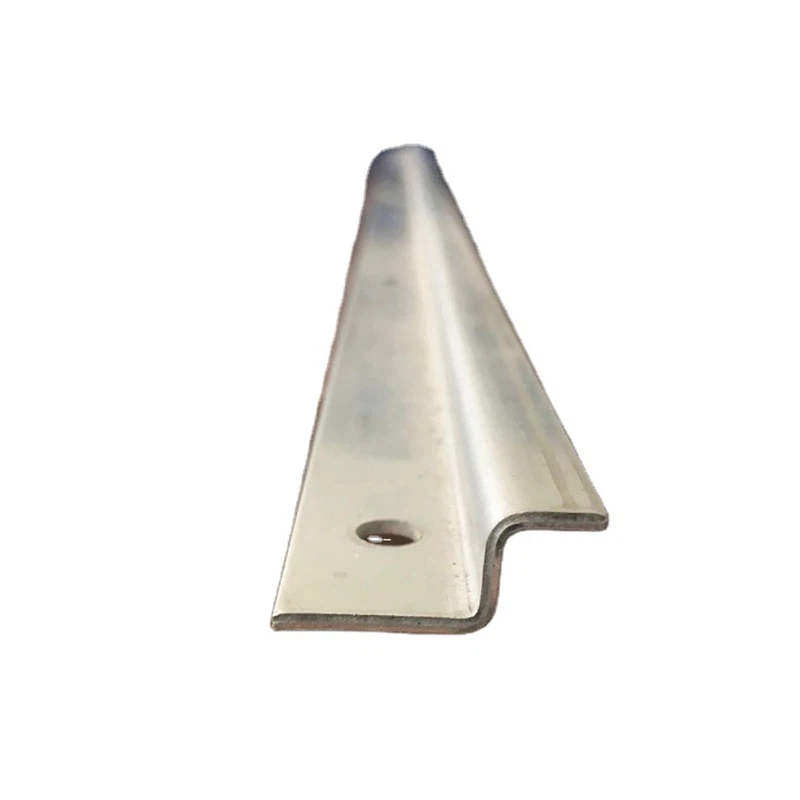

Importance of Corrosion Resistance in Different Industries
Construction Industry
In the construction industry, cold-rolled sections are widely used for structural applications, such as beams, columns, and frames. Corrosion resistance is crucial in this industry to ensure the long-term durability and safety of buildings and infrastructure. For example, Industrial Shelving Uprights used in warehouses and storage facilities need to withstand heavy loads and environmental conditions without corroding. By using corrosion-resistant cold-rolled sections, construction companies can reduce maintenance costs and extend the lifespan of their structures.
Manufacturing Industry
The manufacturing industry relies on cold-rolled sections for the production of various products, including machinery, equipment, and automotive parts. Corrosion resistance is essential in this industry to prevent product failure and ensure the quality and reliability of the final products. For instance, Metal Door Window Frame used in buildings need to be corrosion-resistant to maintain their appearance and functionality over time. By using high-quality cold-rolled sections with excellent corrosion resistance, manufacturers can enhance the performance and durability of their products.
Transportation Industry
In the transportation industry, cold-rolled sections are used in the construction of vehicles, ships, and aircraft. Corrosion resistance is critical in this industry to ensure the safety and reliability of transportation systems. For example, Stereo Garage Profiles used in parking garages need to withstand the harsh environmental conditions and heavy traffic without corroding. By using corrosion-resistant cold-rolled sections, transportation companies can reduce maintenance costs and improve the efficiency of their operations.
Methods to Improve the Corrosion Resistance of Cold-Rolled Sections
Protective Coatings
One of the most common methods to improve the corrosion resistance of cold-rolled sections is to apply protective coatings. These coatings can act as a barrier between the metal surface and the environment, preventing the penetration of moisture and other corrosive substances. Some common types of protective coatings include galvanizing, painting, and powder coating. Galvanizing involves coating the metal with a layer of zinc, which provides excellent corrosion protection. Painting and powder coating can also provide a protective layer and enhance the aesthetic appearance of the sections.
Alloying
Another method to improve the corrosion resistance of cold-rolled sections is to use alloying elements. By adding certain elements, such as chromium, nickel, and molybdenum, to the metal composition, the corrosion resistance of the sections can be significantly enhanced. Stainless steel, for example, contains a high percentage of chromium, which forms a passive oxide layer on the surface, providing excellent corrosion resistance.
Design Considerations
Proper design can also play a role in improving the corrosion resistance of cold-rolled sections. By avoiding sharp corners, crevices, and other areas where moisture can accumulate, the risk of corrosion can be reduced. Additionally, providing adequate drainage and ventilation can help prevent the buildup of moisture and other corrosive substances.
Conclusion
In conclusion, corrosion resistance is a critical property of cold-rolled sections that has a significant impact on their performance and durability. By understanding the factors that affect corrosion resistance and implementing appropriate measures to improve it, we can ensure the long-term reliability and safety of cold-rolled sections in various applications. As a supplier of cold-rolled sections, we are committed to providing high-quality products with excellent corrosion resistance to meet the needs of our customers.
If you are interested in purchasing cold-rolled sections or have any questions about corrosion resistance, please feel free to contact us for further information and to discuss your specific requirements. We look forward to the opportunity to work with you and provide you with the best solutions for your projects.
References
- Fontana, M. G. (1986). Corrosion Engineering. McGraw-Hill.
- Uhlig, H. H., & Revie, R. W. (1985). Corrosion and Corrosion Control. Wiley.
- Davis, J. R. (2000). Corrosion Basics: An Introduction. ASM International.