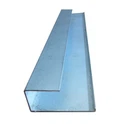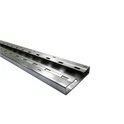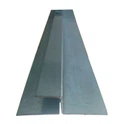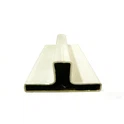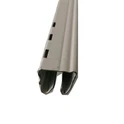

A tensioner is a mechanical device typically used to adjust and secure the tightness of various assemblies, such as straps, ropes, or other connecting components. The applicable standards governing such devices may vary depending on factors such as intended use, industry sector, and geographic region. The following outlines the general implementation standards and related regulations that may apply in typical scenarios:
ISO Standards
ISO 9001: Quality Management Systems-a standard applicable to the design, production, and manufacturing processes of tensioners.
ISO 7241: Hydraulic Fluid Power-standards governing connections between transmission devices and control components; applicable if the tensioner is utilized within a hydraulic system.
ASME Standards
ASME B30.26: Standards for lifting and hoisting equipment, which may include specific guidelines regarding the design and usage of tensioners.
ASTM Standards
ASTM F2281: Standard specifications for metal fasteners, which may be applicable to certain metal components associated with tensioners.
Industry-Specific Standards
Industry organizations or associations may issue standards tailored to specific sectors. For instance, industries such as aerospace, automotive, and construction may each possess their own distinct standards and specifications regarding tensioners.
National Standards
Different countries may have their own respective national standards governing the safety and performance of mechanical devices.