
Hey there, fellow kitchen enthusiasts! As a supplier of aluminized steel burners, I get asked a lot about whether an aluminized steel burner can be used in a kitchen range. Well, let's dive right into it and figure out if this type of burner is a good fit for your kitchen.
First off, let's talk about what aluminized steel is. Aluminized steel is steel that has been coated with an aluminum-silicon alloy. This coating gives the steel some great properties. It's highly resistant to corrosion, which is a big deal in a kitchen environment where there's often moisture and various chemicals from cleaning products. The coating also helps the steel withstand high temperatures, making it suitable for use in burners.
Now, let's consider the advantages of using an aluminized steel burner in a kitchen range. One of the biggest perks is its durability. The corrosion resistance means that the burner is less likely to rust or deteriorate over time. This can save you money in the long run because you won't have to replace the burner as often.
Another advantage is its heat distribution. Aluminized steel has good thermal conductivity, which means it can transfer heat evenly across the burner. This results in more consistent cooking. Whether you're frying an egg or simmering a stew, you can expect a more even heat spread, which is crucial for getting your food cooked just right.
In terms of cost, aluminized steel burners are generally more affordable compared to some other materials like stainless steel. This makes them a great option for budget - conscious consumers who still want a reliable burner for their kitchen range.
But, like anything, aluminized steel burners also have some potential drawbacks. One thing to keep in mind is that the aluminum - silicon coating can wear off over time, especially if the burner is exposed to harsh cleaning agents or very high temperatures for extended periods. Once the coating wears off, the steel underneath may be more prone to corrosion.
Also, while aluminized steel has good heat conductivity, it may not be as efficient as some high - end materials in terms of heat retention. This means that you might need to keep the heat on a bit longer to maintain the desired cooking temperature.
Now, let's look at some practical considerations. If you're using a gas kitchen range, an aluminized steel burner can work well. It can handle the heat generated by the gas flames without a problem. And with proper maintenance, it can last for a long time.
When it comes to installation, aluminized steel burners are usually easy to install. They are designed to fit most standard kitchen ranges, so you won't have to worry about any major modifications to your existing setup.
If you're in the market for a new burner for your kitchen range, you might also be interested in related products. For example, you can check out the Cooker Gas Supply Pipe which is an essential part of your gas kitchen range setup. And if you're considering other burner options, the Stainless Steel Pipe Burner is also worth a look.
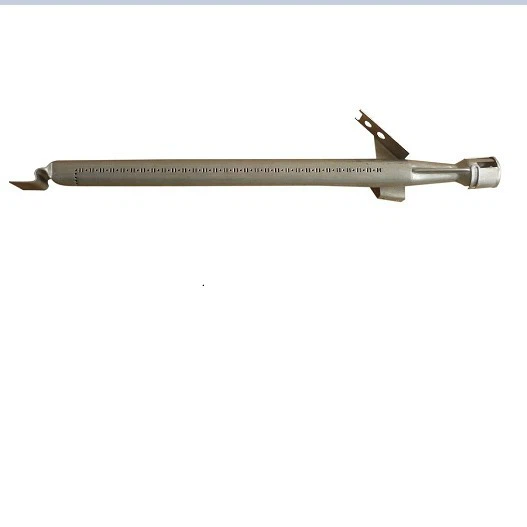
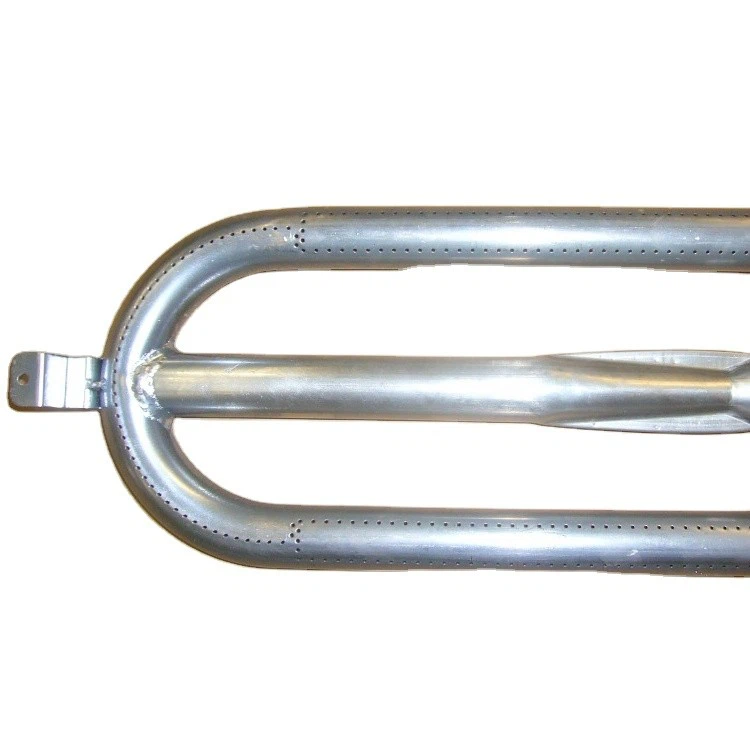
In conclusion, an aluminized steel burner can definitely be used in a kitchen range. It offers a good balance of durability, heat distribution, and cost - effectiveness. However, it's important to take proper care of it to ensure its longevity. Regular cleaning with mild detergents and avoiding harsh chemicals will help keep the coating intact.
If you're interested in purchasing aluminized steel burners for your kitchen range, I'd love to have a chat with you. I can provide more detailed information about our products and answer any questions you might have. Whether you're a home cook or a professional chef, we have the right burner for your needs. So, don't hesitate to reach out and let's start a conversation about how we can make your kitchen cooking experience even better.
References
- "Metals in the Kitchen: A Guide to Cookware Materials" - Various industry publications
- "The Science of Heat Transfer in Kitchen Appliances" - Academic research on thermal conductivity in cooking equipment