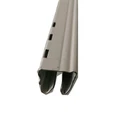

When it comes to choosing the right door guide rail, there are several crucial factors that need to be considered. As a door guide rail supplier, I have extensive experience in this field and understand the importance of making the right choice for different applications. In this blog, I will share some key points to help you select the most suitable door guide rail for your needs.
1. Understanding the Types of Door Guide Rails
There are various types of door guide rails available in the market, each with its own characteristics and applications.
Sliding Door Guide Rails
Sliding door guide rails are commonly used for sliding doors, which are popular in both residential and commercial settings. These rails allow the door to slide smoothly along a track, providing easy access and space - saving solutions. There are different designs of sliding door guide rails, such as single - track, double - track, and multi - track systems. Single - track rails are suitable for single sliding doors, while double - track and multi - track rails can accommodate multiple sliding doors, allowing for more flexible opening and closing options.
Hinged Door Guide Rails
Hinged door guide rails are used for doors that swing open and closed. They help to ensure the proper alignment and smooth operation of the door. These rails are often designed to support the weight of the door and prevent it from sagging or misaligning over time. Some hinged door guide rails also have features such as adjustable stops and dampers to control the speed and movement of the door.
Folding Door Guide Rails
Folding door guide rails are specifically designed for folding doors. These doors can be folded in multiple sections, which is ideal for creating large openings or dividing spaces. The guide rails for folding doors need to be able to support the weight of the folded door panels and allow for smooth folding and unfolding movements.
2. Consider the Material of the Door Guide Rail
The material of the door guide rail plays a significant role in its durability, strength, and performance.
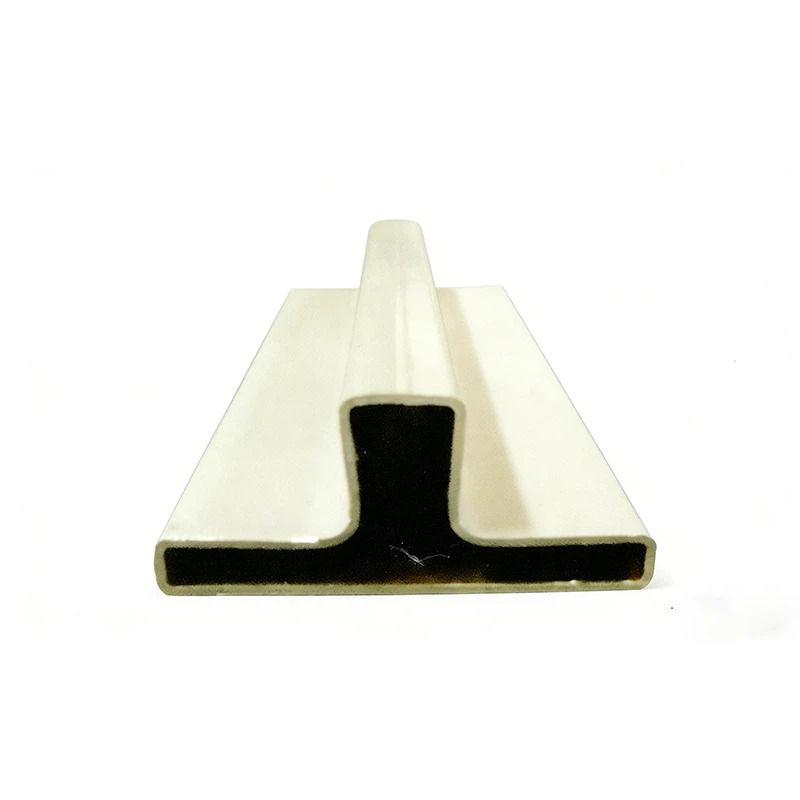
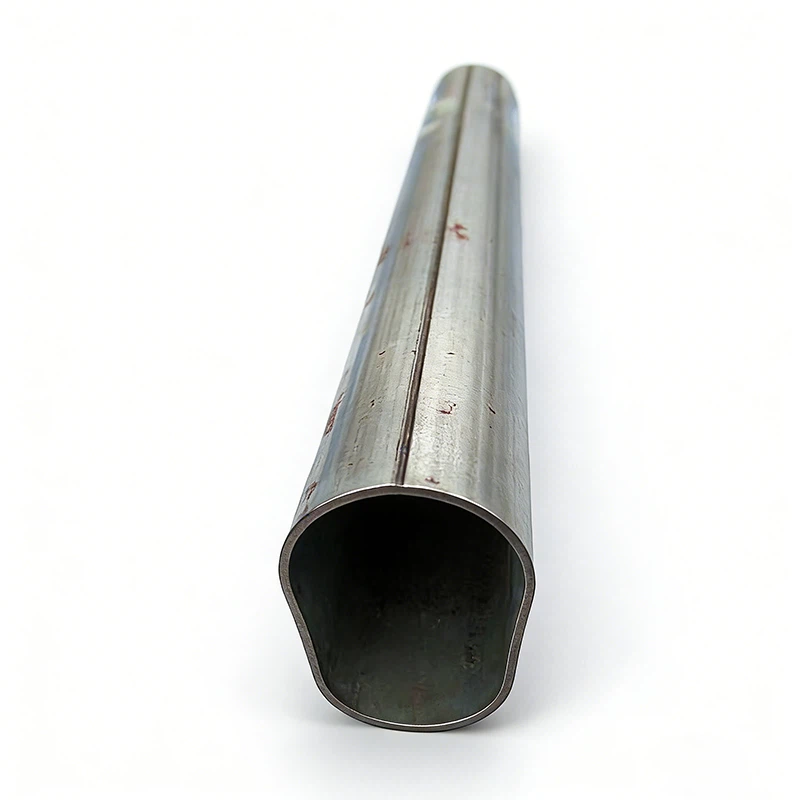
Steel
Steel is a popular choice for door guide rails due to its high strength and durability. It can withstand heavy loads and is resistant to wear and tear. Steel guide rails are suitable for both residential and commercial applications, especially for doors that are frequently used. Profile Steel Tube is a type of steel product that can be used in the manufacturing of door guide rails, providing a reliable and sturdy solution.
Aluminum
Aluminum is another common material for door guide rails. It is lightweight, corrosion - resistant, and easy to work with. Aluminum guide rails are often used in applications where weight is a concern, such as in residential sliding doors. They also offer a modern and sleek appearance, which can enhance the overall aesthetic of the door.
Stainless Steel
Stainless steel is known for its excellent corrosion resistance and durability. It is a good choice for door guide rails in environments where moisture or chemicals are present, such as in bathrooms, kitchens, or industrial settings. Stainless steel guide rails can maintain their appearance and performance over a long period of time.
3. Evaluate the Load - Bearing Capacity
The load - bearing capacity of the door guide rail is an important factor to consider, especially for heavy doors. You need to determine the weight of the door and choose a guide rail that can support it safely.
For heavy - duty doors, such as large commercial doors or industrial doors, you may need to select a guide rail with a high load - bearing capacity. This can ensure that the door operates smoothly and safely without any risk of damage or malfunction. On the other hand, for lightweight doors, such as interior residential doors, a guide rail with a lower load - bearing capacity may be sufficient.
4. Look at the Smoothness of Operation
The smoothness of operation is crucial for the user experience. A well - designed door guide rail should allow the door to open and close smoothly without any jerks or resistance.
When choosing a door guide rail, you can test its smoothness by sliding a sample door along the rail. Look for a rail that provides a consistent and effortless movement. Some guide rails come with built - in lubrication systems or low - friction materials to ensure smooth operation.
5. Consider the Installation Requirements
The installation of the door guide rail should be relatively easy and straightforward. You need to consider the installation method and whether it is compatible with your door and the surrounding structure.
Some door guide rails require professional installation, while others can be installed by homeowners or DIY enthusiasts. Make sure to follow the manufacturer's installation instructions carefully to ensure a proper and secure installation. Additionally, consider the space available for the installation of the guide rail. Some rails may require more space for proper operation, so you need to ensure that there is enough clearance.
6. Check the Compatibility with Other Door Components
The door guide rail needs to be compatible with other door components, such as hinges, locks, and handles. It should work seamlessly with these components to ensure the overall functionality of the door.
For example, if you are using a specific type of hinge, make sure that the guide rail is designed to work with it. Similarly, the lock and handle should be able to interact properly with the door and the guide rail. Incompatible components can lead to problems such as misalignment, difficulty in opening and closing the door, and reduced security.
7. Assess the Aesthetic Appeal
The aesthetic appeal of the door guide rail is also an important consideration, especially in residential and commercial settings where the appearance of the door and its surroundings matters.
You can choose a guide rail that matches the style and design of your door and the overall decor of the space. There are various finishes available, such as chrome, brushed nickel, and powder - coated finishes, which can enhance the visual appeal of the guide rail.
8. Consider the Cost
Cost is always a factor when making a purchasing decision. You need to balance the quality and features of the door guide rail with your budget.
While it may be tempting to choose the cheapest option, it is important to remember that a high - quality door guide rail can offer better performance and durability in the long run. You may need to invest a little more upfront to get a guide rail that meets your requirements and will last for many years.
9. Look for Quality Assurance and Warranty
When purchasing a door guide rail, it is important to look for a supplier that offers quality assurance and a warranty. A reliable supplier will stand behind their products and provide support in case of any issues.
The warranty can give you peace of mind knowing that you are protected against defects and malfunctions. Make sure to read the warranty terms and conditions carefully to understand what is covered and for how long.
Conclusion
Choosing the right door guide rail is a crucial decision that can affect the functionality, durability, and aesthetic appeal of your door. By considering the factors mentioned above, such as the type of rail, material, load - bearing capacity, smoothness of operation, installation requirements, compatibility with other components, aesthetic appeal, cost, and quality assurance, you can make an informed choice.
If you are in the market for a door guide rail, I invite you to contact us for more information and to discuss your specific needs. Our team of experts can provide you with professional advice and help you select the most suitable door guide rail for your application. Whether you need a Metal Door Window Frame or a Guardrail Column, we have a wide range of products to meet your requirements.
References
- Various industry publications on door hardware and installation.
- Manufacturer's specifications and product literature.