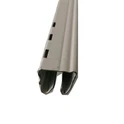

Hey there! As a supplier of Cold Rolled Sheet Pile, I've seen firsthand how crucial it is to design these piles according to different engineering requirements. In this blog, I'll share some insights on how to do just that.
Understanding the Basics of Cold Rolled Sheet Pile
Cold Rolled Sheet Piles are made by cold - rolling steel, which gives them certain properties like high strength and good formability. They are widely used in various engineering projects such as retaining walls, flood protection, and foundation support.
When it comes to designing cold rolled sheet piles, the first step is to understand the specific engineering requirements. This includes factors like the soil conditions at the construction site, the load that the pile will need to bear, and the environmental conditions.
Analyzing Soil Conditions
The soil at the construction site plays a huge role in determining the design of cold rolled sheet piles. For example, if the soil is soft and has low bearing capacity, you'll need a pile with a larger cross - section and more strength. On the other hand, if the soil is hard and dense, a smaller and more flexible pile might be sufficient.
One way to analyze soil conditions is through soil testing. This involves taking soil samples from the site and conducting various tests to determine its properties such as density, moisture content, and shear strength. Based on the test results, you can select the appropriate type of cold rolled sheet pile.
Considering the Load Requirements
The load that the cold rolled sheet pile will need to bear is another important factor. There are two main types of loads: dead loads and live loads. Dead loads include the weight of the structure itself, while live loads are variable loads such as traffic or wind.
To design a pile that can handle these loads, you need to calculate the maximum load that the pile will experience. This can be done using engineering formulas and software. Once you have the load values, you can choose a pile with the right strength and dimensions.
Factoring in Environmental Conditions
Environmental conditions can also affect the design of cold rolled sheet piles. For instance, if the site is near the ocean, the piles will be exposed to saltwater, which can cause corrosion. In such cases, you'll need to use piles with anti - corrosion coatings.
Temperature changes can also impact the performance of the piles. Extreme cold or heat can cause the steel to expand or contract, which might lead to structural issues. Therefore, it's important to consider the local climate when designing the piles.
Designing for Different Engineering Projects
Retaining Walls
Retaining walls are one of the most common applications of cold rolled sheet piles. When designing for a retaining wall, you need to ensure that the piles can resist the lateral pressure exerted by the soil. This often requires using piles with a large moment of inertia.
The spacing between the piles is also crucial. If the piles are too far apart, the soil might not be properly retained. On the other hand, if they are too close, it can increase the cost of the project.
Flood Protection
For flood protection projects, the main goal is to prevent water from overflowing. Cold rolled sheet piles can be used to create barriers along rivers or coastlines. In this case, the piles need to be able to withstand the hydrostatic pressure of the water.
You might also need to consider the wave action. Waves can exert additional forces on the piles, so the design should account for these dynamic loads.
Foundation Support
In foundation support projects, the cold rolled sheet piles are used to transfer the load of the structure to the ground. The design should ensure that the piles can provide sufficient bearing capacity.
The length of the piles is an important factor here. Longer piles can reach deeper into the ground, where the soil has higher bearing capacity.
Using Related Cold - Rolled Products
In addition to cold rolled sheet piles, there are other cold - rolled products that can be used in conjunction with them. For example, Cold Formed I Beam can be used to provide additional structural support. These beams can be attached to the sheet piles to increase their strength and stability.
Commercial Hollow Metal Window Frames might not seem directly related to cold rolled sheet piles, but in some construction projects, they can be part of the overall design. For instance, in a building with a retaining wall made of sheet piles, the window frames can contribute to the overall aesthetic and structural integrity.
Cold Rolled Steel Profiles can also be used in combination with cold rolled sheet piles. These profiles can be used for bracing or other structural elements, enhancing the performance of the entire system.
Conclusion
Designing cold rolled sheet piles according to different engineering requirements is a complex but rewarding process. By understanding the soil conditions, load requirements, and environmental factors, you can create a design that is both effective and efficient.
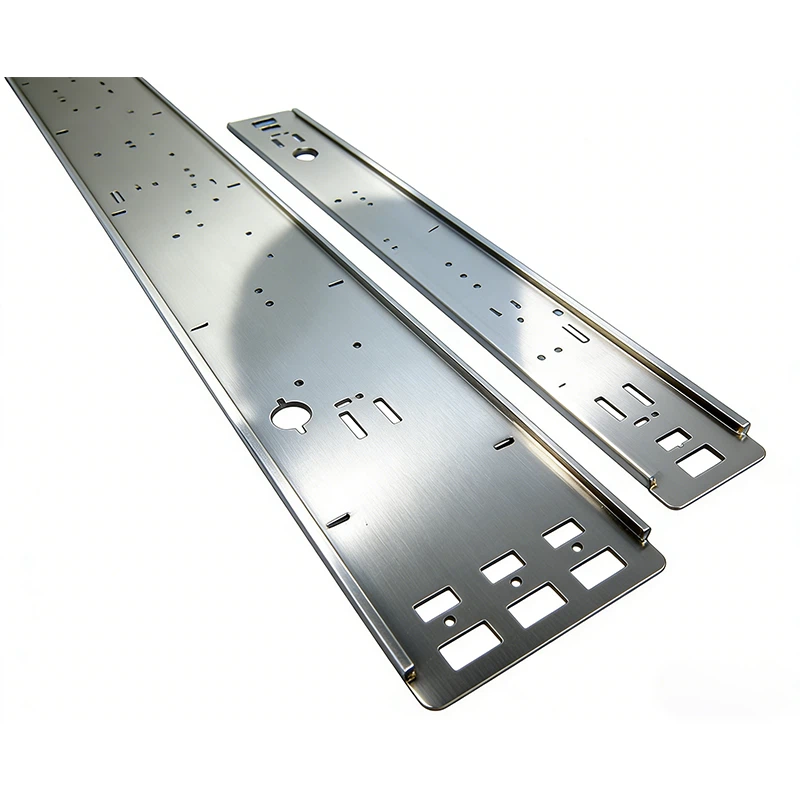
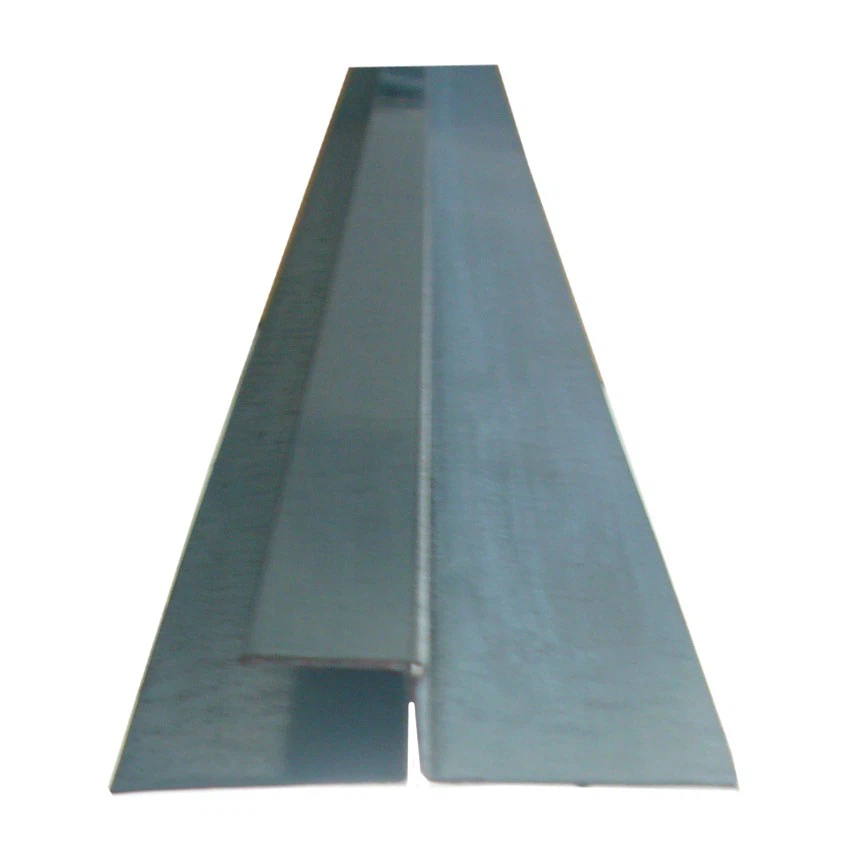
If you're working on an engineering project that requires cold rolled sheet piles, I'd love to have a chat with you. We can discuss your specific needs and come up with the best solution for your project. Whether it's a small retaining wall or a large - scale flood protection project, we have the expertise and products to meet your requirements. So, don't hesitate to reach out and start the conversation about your cold rolled sheet pile needs!
References
- "Steel Structures Design Handbook"
- "Geotechnical Engineering Principles and Practices"