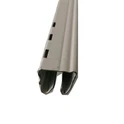

Hey there! As a supplier of metal stamping parts, I've seen firsthand the importance of improving the fatigue resistance of these parts. Fatigue failure can be a real headache, leading to costly downtime and potential safety issues. So, in this blog post, I'm going to share some tips on how to boost the fatigue resistance of metal stamping parts.
1. Material Selection
The first step in improving fatigue resistance is choosing the right material. Different metals have different fatigue properties, so it's crucial to select a material that can withstand the specific stresses and loads your parts will experience. For example, steel is a popular choice for metal stamping due to its high strength and good fatigue resistance. However, if your parts need to be lightweight, you might consider aluminum or titanium, which also offer decent fatigue performance.
When selecting a material, it's also important to pay attention to its microstructure. A fine-grained microstructure generally provides better fatigue resistance than a coarse-grained one. You can achieve a fine-grained microstructure through processes like heat treatment or cold working.
2. Design Optimization
The design of your metal stamping parts can have a significant impact on their fatigue resistance. Here are some design considerations to keep in mind:
- Avoid Sharp Corners and Notches: Sharp corners and notches can create stress concentrations, which can lead to fatigue cracks. Instead, use rounded corners and smooth transitions to distribute stress more evenly.
- Reduce Stress Concentrations: In addition to avoiding sharp corners, you can also reduce stress concentrations by using fillets, chamfers, and other design features. These features help to smooth out the flow of stress and prevent it from building up in one area.
- Optimize Wall Thickness: The wall thickness of your parts can also affect their fatigue resistance. A uniform wall thickness is generally better than a non-uniform one, as it helps to distribute stress more evenly. However, you also need to make sure that the wall thickness is sufficient to withstand the loads your parts will experience.
3. Manufacturing Processes
The manufacturing processes used to produce your metal stamping parts can also have a significant impact on their fatigue resistance. Here are some manufacturing processes to consider:
- Cold Working: Cold working, such as rolling or forging, can improve the fatigue resistance of metal stamping parts by increasing their strength and hardness. Cold working also helps to refine the microstructure of the metal, which can further improve its fatigue properties.
- Heat Treatment: Heat treatment, such as annealing or quenching, can also improve the fatigue resistance of metal stamping parts. Heat treatment can help to relieve stress, improve the microstructure of the metal, and increase its strength and hardness.
- Surface Treatment: Surface treatment, such as plating or coating, can also improve the fatigue resistance of metal stamping parts. Surface treatments can help to protect the metal from corrosion and wear, which can reduce the risk of fatigue cracks.
4. Testing and Quality Control
Testing and quality control are essential for ensuring the fatigue resistance of your metal stamping parts. Here are some testing methods to consider:
- Fatigue Testing: Fatigue testing involves subjecting your parts to repeated loading cycles to simulate real-world conditions. Fatigue testing can help you to determine the fatigue life of your parts and identify any potential issues.
- Non-Destructive Testing: Non-destructive testing, such as ultrasonic testing or X-ray testing, can help you to detect any internal defects or cracks in your parts. Non-destructive testing can be used to ensure the quality of your parts before they are put into service.
- Quality Control: Quality control measures, such as inspection and testing, can help you to ensure that your parts meet the required specifications and standards. Quality control measures can also help you to identify any potential issues early on and take corrective action.
5. Maintenance and Inspection
Finally, it's important to maintain and inspect your metal stamping parts regularly to ensure their continued performance. Here are some maintenance and inspection tips to consider:
- Regular Cleaning: Regular cleaning can help to remove dirt, debris, and other contaminants from your parts, which can reduce the risk of corrosion and wear.
- Lubrication: Lubrication can help to reduce friction and wear between your parts, which can improve their performance and extend their lifespan.
- Inspection: Regular inspection can help you to detect any signs of wear, damage, or fatigue in your parts. Inspection can also help you to identify any potential issues early on and take corrective action.
In conclusion, improving the fatigue resistance of metal stamping parts requires a combination of material selection, design optimization, manufacturing processes, testing and quality control, and maintenance and inspection. By following these tips, you can ensure that your metal stamping parts are reliable, durable, and safe.
If you're interested in learning more about our metal stamping parts or have any questions about improving their fatigue resistance, please don't hesitate to [contact us for a procurement discussion]. We're here to help you find the right solutions for your needs.
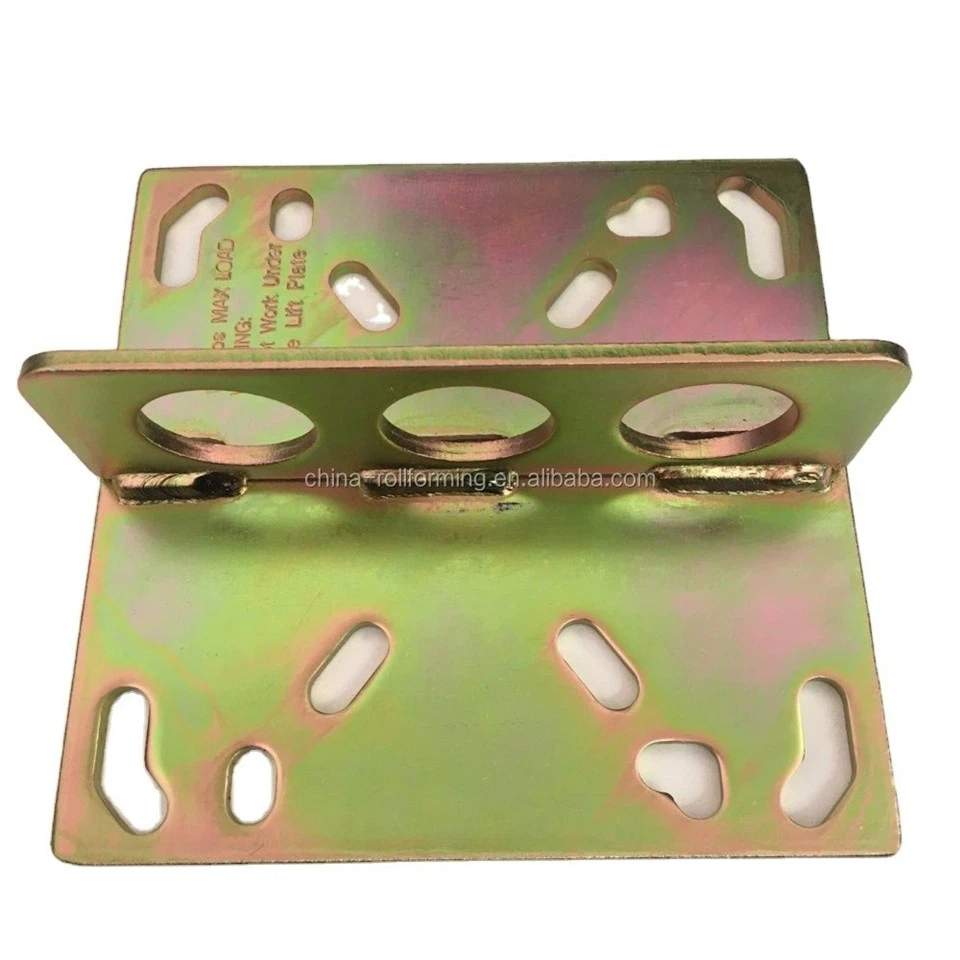
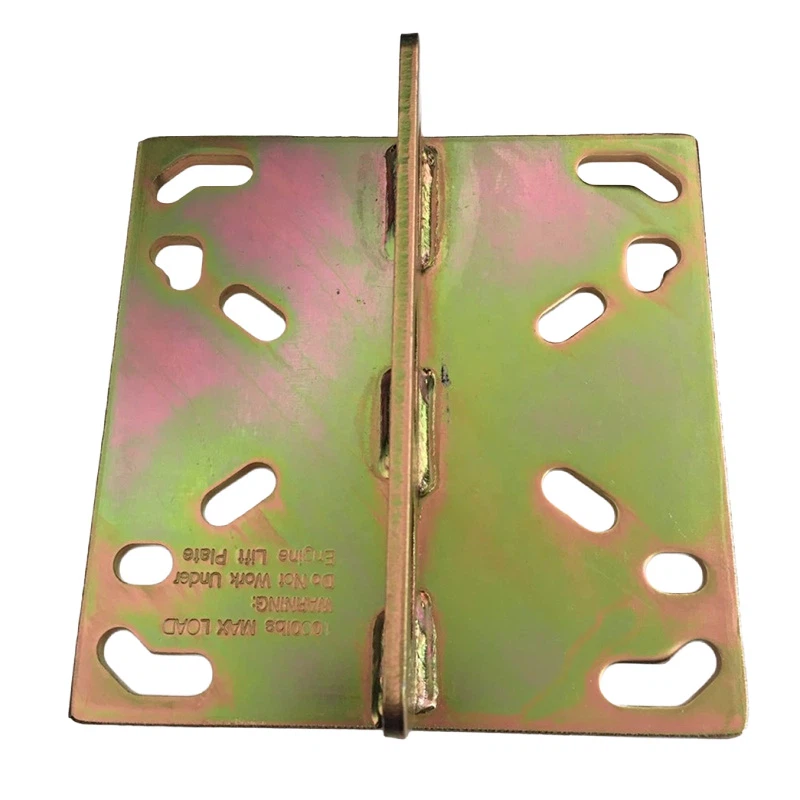
Some of our popular metal stamping parts include the Portable Spring Balancer, Container Leveler, and Rigging Chain Hooks. These parts are designed to meet the highest standards of quality and performance, and we're confident that they'll meet your needs.
References
- Metals Handbook, Volume 8: Mechanical Testing, ASM International
- Fatigue of Materials, Second Edition, by Richard W. Hertzberg, Richard P. Vinci, and John L. Hertzberg
- Design for Manufacturing and Assembly, Second Edition, by Boothroyd, Dewhurst, and Knight