
Hey there! As a supplier of aluminized steel burners, I've seen my fair share of burner issues. In this blog, I'll walk you through how to troubleshoot an aluminized steel burner like a pro.
1. No Flame or Weak Flame
One of the most common problems you might encounter is when the burner either doesn't produce a flame at all or has a weak flame.
Check the Gas Supply
First things first, make sure the gas is flowing properly. Check if the main gas valve is fully open. Sometimes, it might get accidentally turned off. Also, take a look at the Cooker Gas Supply Pipe. A kinked or blocked pipe can restrict the gas flow. If you notice any blockages, try to clear them carefully. You can use a thin wire or a pipe cleaner to remove any debris.
Inspect the Ignition System
If the gas is flowing but there's still no flame, the ignition system could be the culprit. Check the spark electrode. Over time, it can get dirty or corroded. Use a soft brush to clean it gently. If the electrode is damaged, you might need to replace it. Also, make sure the wires connecting the electrode are in good condition and properly connected.
Clean the Burner Ports
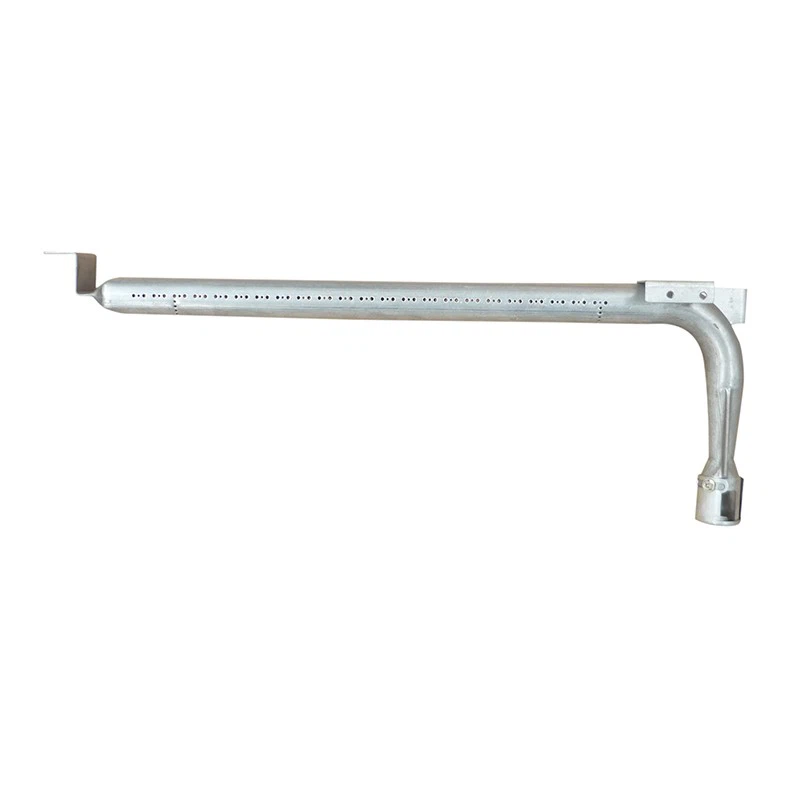
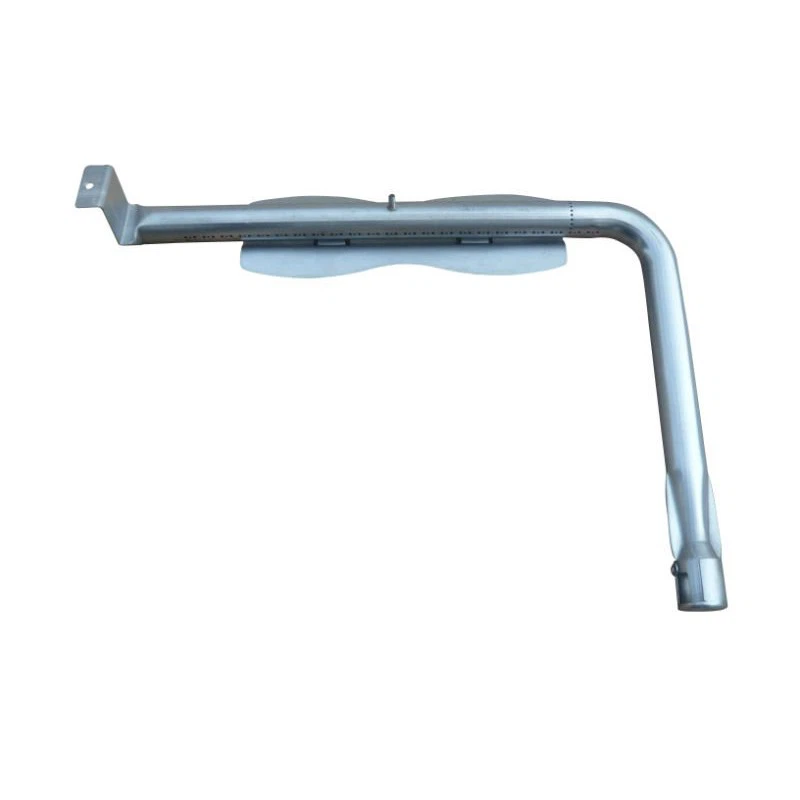
Clogged burner ports can also cause a weak or no flame. Turn off the gas and let the burner cool down completely. Then, remove the burner cap and the burner head. Use a toothpick or a small wire to clear any debris from the ports. You can also soak the burner parts in warm, soapy water to remove stubborn dirt. Rinse them thoroughly and let them dry before reassembling.
2. Uneven Flame
An uneven flame can be a sign of several issues.
Check for Blockages
Just like with a weak flame, blockages in the burner ports can cause an uneven flame. Make sure all the ports are clear. Sometimes, food particles or grease can accumulate in the ports, causing the flame to burn unevenly.
Adjust the Air Shutters
The air shutters control the amount of air that mixes with the gas. If the air-fuel mixture is off, it can result in an uneven flame. Locate the air shutters on the burner. You can usually adjust them by turning a screw or sliding a plate. Start by closing the shutters slightly and then gradually open them until you get a blue, even flame.
Check the Burner Alignment
A misaligned burner can also cause an uneven flame. Make sure the burner is properly seated in its place. If it's not, gently reposition it. Sometimes, the burner might have shifted due to regular use or cleaning.
3. Yellow or Orange Flame
A healthy burner should have a blue flame. A yellow or orange flame indicates incomplete combustion, which can be a safety hazard.
Check for Air Supply
Incomplete combustion often occurs when there's not enough air mixing with the gas. Check the air shutters and make sure they're open enough. You might need to adjust them to increase the air intake.
Clean the Burner
A dirty burner can also cause a yellow or orange flame. As mentioned earlier, clean the burner ports and the burner head to remove any dirt or debris. This can help improve the combustion process.
Inspect the Gas Quality
Sometimes, the quality of the gas can affect the flame color. If you suspect that the gas is impure, contact your gas supplier to check the gas quality.
4. Burner Overheating
If the burner is overheating, it can be a serious problem.
Check the Ventilation
Proper ventilation is crucial for preventing overheating. Make sure the area around the burner is well-ventilated. If the burner is installed in a cabinet or a confined space, ensure that there are enough vents to allow air to circulate.
Inspect the Gas Pressure
High gas pressure can cause the burner to overheat. Check the gas pressure regulator. If it's not working properly, it might need to be replaced. You can also contact a professional to check and adjust the gas pressure.
Check for Blockages in the Burner
Blockages in the burner can restrict the flow of gas and air, leading to overheating. Clean the burner ports and the burner head to remove any blockages.
5. Burner Making Noise
A noisy burner can be annoying and might indicate an underlying problem.
Check for Loose Parts
Sometimes, loose parts can cause the burner to make noise. Check if the burner cap, burner head, or any other parts are loose. Tighten them if necessary.
Inspect the Gas Flow
A disrupted gas flow can also cause noise. Check the gas supply pipe for any kinks or blockages. Make sure the gas is flowing smoothly.
Check for Vibrations
The burner might be vibrating against other parts, causing noise. Check if the burner is properly installed and secured. You can try placing a rubber pad or a cushion under the burner to reduce vibrations.
Conclusion
Troubleshooting an aluminized steel burner doesn't have to be a headache. By following these simple steps, you can identify and fix most common burner issues. If you're still having problems after trying these solutions, it might be a good idea to contact a professional.
If you're in the market for a high-quality aluminized steel burner or other related products like the Stainless Steel Pipe Burner, feel free to reach out for a purchase negotiation. We're here to provide you with the best products and services.
References
- General knowledge from years of experience as an aluminized steel burner supplier.
- Industry standards and best practices for burner maintenance.