
Installing a ratchet tie down is a crucial skill for anyone involved in transporting goods, whether it's for personal use or in a professional setting. As a ratchet tie down supplier, I've seen firsthand the importance of proper installation to ensure the safety and security of your cargo. In this blog post, I'll guide you through the step-by-step process of installing a ratchet tie down, and I'll also introduce you to some of the products we offer to help you with your securing needs.
Step 1: Gather Your Materials
Before you begin the installation process, you'll need to gather the necessary materials. You'll need a ratchet tie down, which consists of a ratchet mechanism, webbing, and end fittings. Make sure the tie down is the appropriate length and strength for your cargo. You may also need additional accessories such as hooks or D-rings to secure the tie down to your vehicle or trailer.
Step 2: Choose the Right Location
Select a suitable location to attach the ratchet tie down. Look for sturdy anchor points on your vehicle or trailer, such as tie-down loops, D-rings, or other secure attachment points. Make sure the anchor points are strong enough to withstand the tension of the tie down. Avoid attaching the tie down to weak or unstable parts of the vehicle or trailer.
Step 3: Thread the Webbing
Once you've chosen the anchor points, it's time to thread the webbing through the ratchet mechanism. Start by pulling the webbing through the bottom of the ratchet, then loop it back up through the top. Make sure the webbing is straight and free of any twists or kinks. The webbing should be threaded in a way that allows the ratchet to tighten the tie down effectively.
Step 4: Attach the End Fittings
After threading the webbing through the ratchet, attach the end fittings to the anchor points. Depending on the type of end fittings you have, you may need to use hooks, S-hooks, or other types of connectors. Make sure the end fittings are securely attached to the anchor points and that they are tightened properly.
Step 5: Tighten the Ratchet
Once the end fittings are attached, it's time to tighten the ratchet. To do this, lift the handle of the ratchet up and down to engage the ratchet mechanism. As you lift the handle, the ratchet will pull the webbing through the mechanism, tightening the tie down. Continue to tighten the ratchet until the tie down is snug and the cargo is secure.
Step 6: Check the Tension
After tightening the ratchet, it's important to check the tension of the tie down. Make sure the tie down is tight enough to hold the cargo in place, but not so tight that it damages the cargo or the vehicle. You can use a tension gauge to measure the tension of the tie down if necessary.
Step 7: Secure the Excess Webbing
Once the tie down is tightened, there may be some excess webbing remaining. To prevent the excess webbing from flapping in the wind or getting caught on something, you can secure it using a strap cutter or a zip tie. Cut the excess webbing close to the ratchet, then use a zip tie to secure the remaining end.
Step 8: Inspect the Tie Down
Before you hit the road, it's important to inspect the tie down to make sure it's installed correctly and that it's in good condition. Check the webbing for any signs of wear or damage, such as fraying or cuts. Make sure the end fittings are securely attached and that the ratchet mechanism is working properly.
Recommended Products
As a ratchet tie down supplier, we offer a wide range of products to meet your securing needs. Here are some of our recommended products:
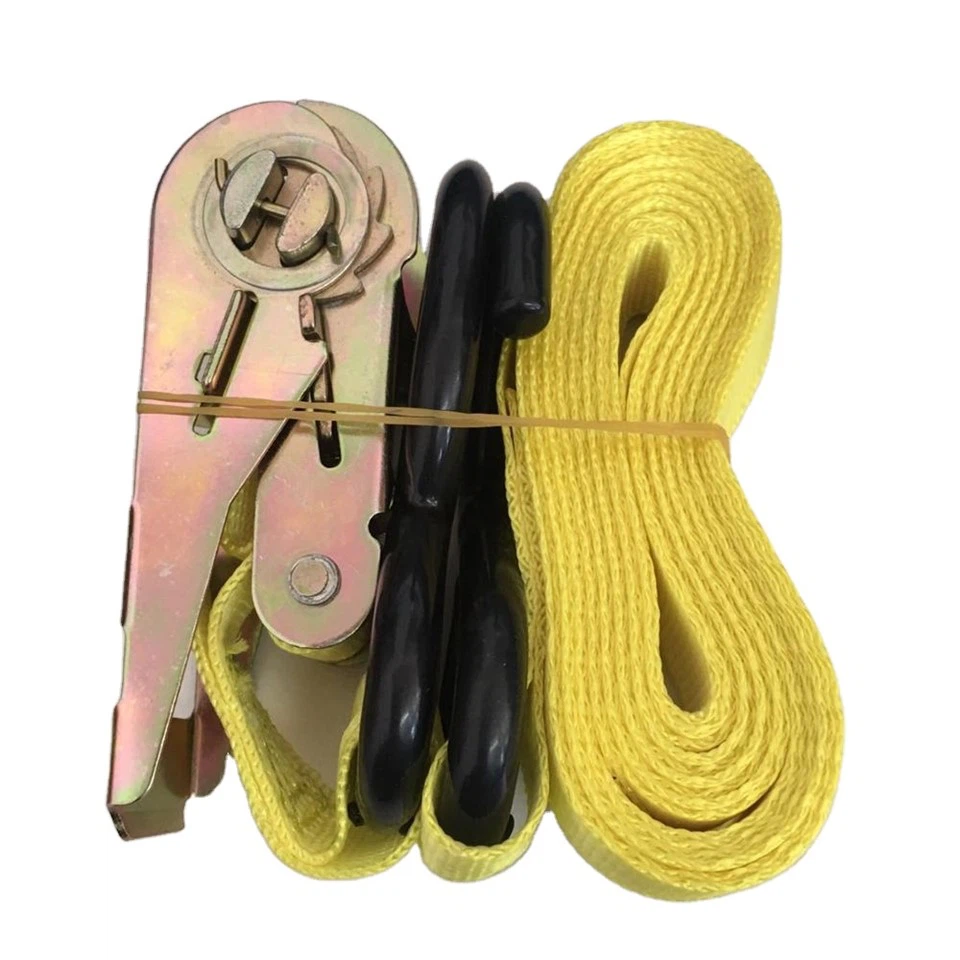
- Heavy Equipment Recovery Rope: This heavy-duty rope is designed for use in heavy equipment recovery applications. It's made from high-strength materials and is capable of withstanding extreme tension.
- Snapping Turtle Ratchet Straps: These ratchet straps are known for their durability and ease of use. They feature a unique snapping mechanism that allows for quick and easy installation and removal.
- Cam Style Tie Down Straps: Cam style tie down straps are a popular choice for securing cargo. They are easy to use and provide a reliable hold.
Conclusion
Installing a ratchet tie down is a simple process that can help you secure your cargo and ensure a safe and successful transport. By following the steps outlined in this blog post, you can install a ratchet tie down correctly and confidently. If you have any questions or need further assistance, please don't hesitate to contact us. We're here to help you find the right ratchet tie down products for your needs and to provide you with the support you need to ensure a successful installation.
References
- General knowledge of ratchet tie down installation and product information.