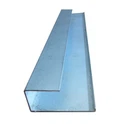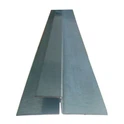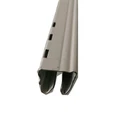

Securing industrial shelving uprights to the floor is a crucial step in ensuring the safety and stability of your storage system. As a supplier of industrial shelving uprights, I've seen firsthand the importance of getting this right. In this blog, I'll share some tips and best practices on how to secure your industrial shelving uprights to the floor effectively.
Why Securing Shelving Uprights is Important
Before we dive into the how-to, let's talk about why it's so important to secure your industrial shelving uprights to the floor. First and foremost, it's a matter of safety. Unsecured shelving can easily tip over, especially if it's loaded with heavy items. This can cause serious injuries to your employees and damage to your inventory.
Secondly, securing your shelving uprights to the floor helps to distribute the weight evenly across the floor. This reduces the risk of the shelving sinking into the floor or causing damage to the underlying structure.
Finally, a properly secured shelving system is more stable and less likely to vibrate or shift during normal use. This can help to extend the lifespan of your shelving and reduce the need for frequent repairs or maintenance.
Types of Floor Anchoring Methods
There are several different methods you can use to secure industrial shelving uprights to the floor. The method you choose will depend on a variety of factors, including the type of floor you have, the weight and size of your shelving, and the specific requirements of your application.
Concrete Anchors
Concrete anchors are one of the most common methods of securing industrial shelving uprights to a concrete floor. There are several different types of concrete anchors available, including expansion anchors, sleeve anchors, and wedge anchors.
Expansion anchors work by expanding inside a pre-drilled hole in the concrete. As the anchor is tightened, it expands and creates a secure hold. Sleeve anchors are similar to expansion anchors, but they have a sleeve that helps to distribute the load more evenly. Wedge anchors are another popular option. They work by wedging a metal wedge into a pre-drilled hole in the concrete, creating a tight fit.
Epoxy Anchors
Epoxy anchors are another option for securing industrial shelving uprights to a concrete floor. Epoxy anchors work by injecting a special epoxy resin into a pre-drilled hole in the concrete. The resin then hardens and creates a strong bond between the anchor and the concrete.
Epoxy anchors are a good choice for applications where you need a high level of strength and durability. They are also resistant to corrosion and can be used in a variety of environments.
Mechanical Fasteners
Mechanical fasteners, such as bolts and screws, can also be used to secure industrial shelving uprights to the floor. This method is typically used for lighter-duty shelving or for applications where you need to be able to easily remove or reposition the shelving.
When using mechanical fasteners, it's important to make sure that the fasteners are the correct size and type for the application. You should also use a washer and nut to ensure a secure fit.
Steps to Secure Industrial Shelving Uprights to the Floor
Now that you know the different types of floor anchoring methods available, let's walk through the steps to secure your industrial shelving uprights to the floor.
Step 1: Prepare the Floor
Before you start installing your shelving uprights, you need to prepare the floor. This involves cleaning the floor surface to remove any dirt, debris, or grease. You should also make sure that the floor is level and free of any cracks or damage.
If you're installing your shelving on a concrete floor, you may need to drill holes in the floor for the anchors. Make sure to use a drill bit that is the correct size for the anchors you're using.
Step 2: Position the Shelving Uprights
Once the floor is prepared, you can start positioning the shelving uprights. Make sure to align the uprights with the holes in the floor and use a level to ensure that they are plumb.
If you're using mechanical fasteners, you can insert the bolts or screws into the holes in the uprights and tighten them using a wrench. If you're using concrete anchors or epoxy anchors, you'll need to follow the manufacturer's instructions for installing the anchors.


Step 3: Secure the Shelving Uprights
Once the shelving uprights are positioned correctly, you can secure them to the floor. If you're using concrete anchors, you'll need to insert the anchors into the holes in the floor and tighten them using a wrench. If you're using epoxy anchors, you'll need to inject the epoxy resin into the holes in the floor and then insert the anchors.
Make sure to follow the manufacturer's instructions for installing the anchors and allow the epoxy resin to cure completely before loading the shelving.
Step 4: Check the Stability of the Shelving
Once the shelving uprights are secured to the floor, you should check the stability of the shelving. You can do this by gently shaking the shelving and looking for any signs of movement or instability.
If you notice any movement or instability, you may need to adjust the anchors or add additional support to the shelving.
Additional Tips and Best Practices
Here are some additional tips and best practices to keep in mind when securing industrial shelving uprights to the floor:
- Use the Right Anchors: Make sure to use the right type and size of anchors for your application. The manufacturer's recommendations will usually specify the type and size of anchors that are suitable for your shelving.
- Follow the Manufacturer's Instructions: Always follow the manufacturer's instructions for installing the anchors and securing the shelving. This will ensure that the shelving is installed correctly and safely.
- Inspect the Shelving Regularly: Regularly inspect the shelving for any signs of damage or wear. If you notice any problems, make sure to address them immediately.
- Consider the Load Capacity: Make sure to consider the load capacity of the shelving when installing it. Overloading the shelving can cause it to become unstable and increase the risk of tipping over.
Conclusion
Securing industrial shelving uprights to the floor is an important step in ensuring the safety and stability of your storage system. By following the tips and best practices outlined in this blog, you can ensure that your shelving is installed correctly and safely.
If you're in the market for industrial shelving uprights, we're here to help. We offer a wide range of high-quality shelving uprights that are designed to meet the needs of a variety of applications. Our team of experts can also provide you with advice and guidance on how to secure your shelving uprights to the floor.
For more information about our products and services, or to discuss your specific requirements, please don't hesitate to [initiate a conversation with us for procurement discussions]. We look forward to hearing from you!
References
- "Industrial Shelving Installation Guide," [Publisher Name], [Year]
- "Floor Anchoring Methods for Industrial Shelving," [Author Name], [Publication Name], [Year]
- "Safety Considerations for Industrial Shelving," [Organization Name], [Year]