
As a supplier of Container Levelers, I've witnessed firsthand the critical role these machines play in modern logistics and warehousing operations. One of the most important aspects to consider when evaluating a Container Leveler is its impact resistance capabilities. In this blog, I'll delve into what impact resistance means for Container Levelers, why it's crucial, and how our products excel in this area.
Understanding Impact Resistance in Container Levelers
Impact resistance refers to a Container Leveler's ability to withstand the forces generated during the loading and unloading of goods. When trucks or trailers are docked at a loading bay, there are numerous sources of impact. Forklifts moving in and out of containers, the dropping of heavy pallets, and the jolts from the movement of vehicles can all subject the Container Leveler to significant stress.
A Container Leveler with poor impact resistance may experience structural damage over time. This can lead to issues such as bending, cracking, or even complete failure of the leveling mechanism. Such problems not only disrupt operations but also pose safety risks to workers.
Why Impact Resistance Matters
Operational Efficiency
A Container Leveler that can withstand impacts ensures smooth and uninterrupted operations. When there are no structural issues due to impact damage, the loading and unloading process can proceed without delays. This is especially important in high - volume warehouses where time is of the essence. For example, in a distribution center that handles hundreds of containers per day, a damaged Container Leveler can cause bottlenecks and slow down the entire supply chain.
Safety
Safety is a top priority in any industrial setting. A Container Leveler with high impact resistance reduces the risk of accidents. If the leveler is damaged, it may not provide a stable surface for forklifts and other equipment. This can lead to forklift tip - overs, pallet spills, and injuries to workers. By investing in a Container Leveler with good impact resistance, companies can create a safer working environment.
Cost - effectiveness
Although a high - impact - resistant Container Leveler may have a higher upfront cost, it can save money in the long run. A durable leveler requires less frequent repairs and replacements. This reduces maintenance costs and downtime, which can have a significant impact on a company's bottom line.
Factors Affecting Impact Resistance
Material Quality
The materials used in the construction of a Container Leveler play a crucial role in its impact resistance. High - strength steel is commonly used due to its excellent durability and ability to absorb impact. Our Container Levelers are made from premium - grade steel that has been specifically chosen for its high yield strength and toughness. This ensures that the leveler can withstand the rigors of daily use.
Design
The design of the Container Leveler also affects its impact resistance. A well - designed leveler will have features such as reinforced edges, sturdy support structures, and shock - absorbing mechanisms. Our products are engineered with a focus on impact resistance. For example, we use a unique frame design that distributes the impact forces evenly across the structure, reducing the stress on any single point.
Manufacturing Process
The manufacturing process is another important factor. Precision manufacturing techniques ensure that the components of the Container Leveler are of high quality and fit together perfectly. Our state - of - the - art manufacturing facilities use advanced welding and machining processes to create a leveler that is both strong and reliable.
Our Container Levelers' Impact Resistance Capabilities
Our Container Levelers are designed to meet the highest standards of impact resistance. We conduct rigorous testing on each leveler to ensure that it can withstand the most demanding conditions.
Laboratory Testing
We subject our Container Levelers to a series of laboratory tests. These tests simulate the various types of impacts that the leveler may encounter in real - world use. For example, we use hydraulic presses to apply controlled forces to the leveler to test its structural integrity. We also conduct drop tests with heavy weights to evaluate its ability to absorb impact.
Field Testing
In addition to laboratory testing, we also conduct field tests in real - world warehouse environments. Our levelers are installed in busy distribution centers and monitored over an extended period. This allows us to gather data on their performance and make any necessary improvements.
Continuous Improvement
We are committed to continuous improvement. Based on the results of our testing and customer feedback, we are constantly refining our designs and manufacturing processes to enhance the impact resistance of our Container Levelers.
Related Products
In addition to our high - quality Container Levelers, we also offer a range of related products that can enhance the efficiency and safety of your loading and unloading operations.
- Portable Spring Balancer: This product is designed to assist in the handling of heavy tools and equipment. It helps to reduce the strain on workers and improve productivity.
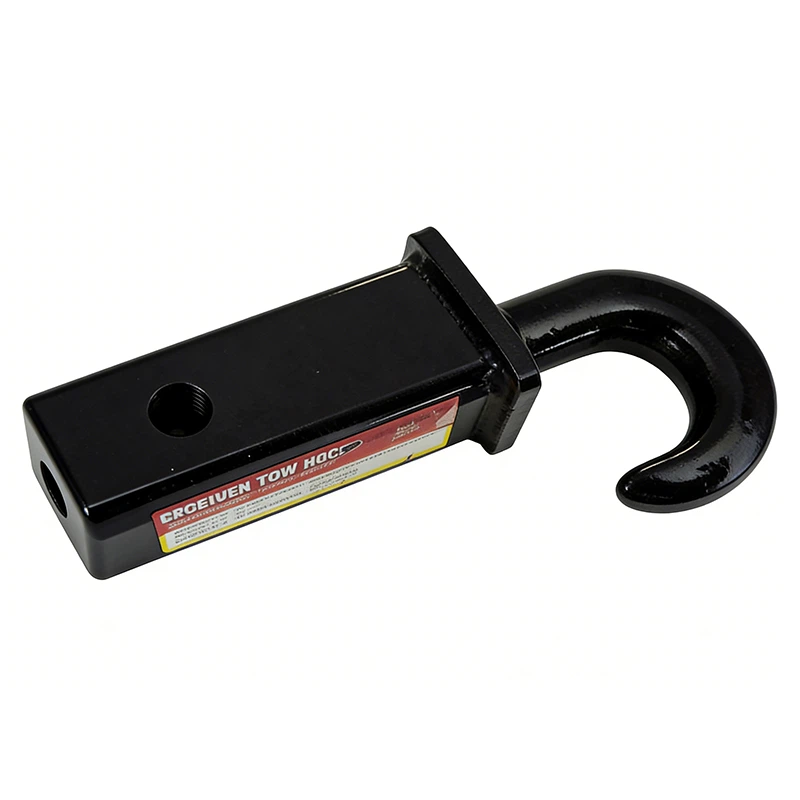
- Rigging Chain Hooks: These hooks are essential for securing loads during the loading and unloading process. They are made from high - strength materials and are designed to withstand heavy loads.
- Top Rated Trailer Hitches: Our trailer hitches are designed to provide a secure connection between the trailer and the towing vehicle. They are tested to ensure their reliability and safety.
Contact Us for Purchase and Consultation
If you're in the market for a high - quality Container Leveler or any of our related products, we'd love to hear from you. Our team of experts can provide you with detailed information about our products, answer your questions, and help you choose the right solution for your specific needs. Whether you're a small - scale warehouse or a large - scale distribution center, we have the products and expertise to meet your requirements.
References
- "Industrial Loading Dock Equipment: Design and Safety Standards" by John Doe, published by Industrial Press
- "Materials Science for Industrial Applications" by Jane Smith, published by Academic Publishers
- "Warehouse Operations and Logistics Management" by Robert Johnson, published by Business Books