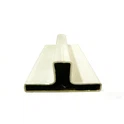

Hey there! As a supplier of cold rolled profiles, I've seen firsthand how rust can be a real headache. Rust not only affects the appearance of cold rolled profiles but also compromises their structural integrity. In this blog, I'm gonna share some practical tips on how to prevent rust on cold rolled profiles.
Understanding the Enemy: What Causes Rust?
Before we dive into prevention methods, it's important to understand what causes rust. Rust is essentially the result of a chemical reaction between iron, oxygen, and water. Cold rolled profiles are made of steel, which contains iron, so they're prone to rusting when exposed to moisture and oxygen. Factors like high humidity, rain, and even condensation can accelerate the rusting process.
1. Surface Preparation
The first step in preventing rust is proper surface preparation. When the cold rolled profiles are manufactured, they often have a smooth surface, but it might still have some contaminants like oil, dust, or mill scale. These contaminants can prevent protective coatings from adhering properly, so it's crucial to clean the surface thoroughly.
You can use a mild detergent and water to clean the profiles. After cleaning, make sure to dry them completely. Any remaining moisture can lead to rust formation. For more stubborn contaminants, you might need to use a wire brush or sandpaper to remove them. This will create a clean and rough surface that allows the protective coating to bond better.
2. Applying Protective Coatings
One of the most effective ways to prevent rust is by applying protective coatings. There are several types of coatings available, each with its own advantages.


- Paint: Paint is a common and cost - effective option. It forms a physical barrier between the steel and the environment, preventing oxygen and water from reaching the metal. When choosing paint, make sure it's suitable for steel and can withstand the conditions the profiles will be exposed to. For example, if the profiles will be used outdoors, choose a paint that's resistant to UV rays and weathering.
- Galvanizing: Galvanizing involves coating the steel with a layer of zinc. Zinc is more reactive than iron, so it corrodes first, protecting the underlying steel. There are two main types of galvanizing: hot - dip galvanizing and electro - galvanizing. Hot - dip galvanizing provides a thicker and more durable zinc coating, making it ideal for long - term outdoor use.
- Powder Coating: Powder coating is a dry finishing process where a fine powder is electrostatically applied to the surface of the profiles and then cured in an oven. The powder forms a hard, protective layer that's resistant to chipping, scratching, and rust. It also comes in a wide range of colors, so you can choose a finish that suits your aesthetic needs.
3. Storage and Handling
How you store and handle cold rolled profiles can also have a big impact on rust prevention.
- Storage Environment: Store the profiles in a dry, well - ventilated area. Avoid storing them in areas with high humidity or where they might be exposed to water. If possible, store the profiles off the ground on pallets to prevent contact with moisture from the floor.
- Handling: When handling the profiles, make sure your hands are clean and dry. Oils and moisture from your hands can transfer to the profiles and promote rusting. Also, be careful not to scratch the protective coating during handling, as scratches can expose the steel to the elements.
4. Regular Inspections
Regular inspections are essential to catch any signs of rust early. Check the profiles periodically for any discoloration, flaking, or pitting. If you notice any signs of rust, take immediate action to prevent it from spreading. You can use a rust remover to clean the affected area and then re - apply a protective coating.
5. Use in the Right Applications
Make sure the cold rolled profiles are used in the right applications. Different applications have different environmental conditions, and choosing the right profile and protective coating for the specific application is crucial.
- Industrial Shelving Uprights: For Industrial Shelving Uprights, you need a profile that can withstand the weight of the stored items and the industrial environment. A galvanized or powder - coated profile would be a good choice to prevent rust.
- Cold Rolled Profiles for Automotive: Cold Rolled Profiles for Automotive need to be corrosion - resistant to withstand the harsh conditions on the road, including exposure to salt, water, and dirt. A high - quality paint or galvanized coating is often used in automotive applications.
- Metal Door and Window Frames: Metal Door and Window Frames are exposed to the elements, so they need to be protected from rust. A powder - coated or painted finish can provide good protection and also enhance the appearance of the frames.
Conclusion
Preventing rust on cold rolled profiles is all about taking a proactive approach. By following these tips on surface preparation, applying protective coatings, proper storage and handling, regular inspections, and using the profiles in the right applications, you can significantly extend the lifespan of your cold rolled profiles and keep them looking great.
If you're in the market for high - quality cold rolled profiles, we're here to help. We offer a wide range of cold rolled profiles with various protective coatings to meet your specific needs. Whether you need profiles for industrial shelving, automotive applications, or door and window frames, we've got you covered. Contact us to discuss your requirements and start a procurement process.
References
- "Corrosion of Metals" by Roberge, P. R.
- "Steel Structures: Design and Behavior" by Salmon, C. G., & Johnson, J. E.