
Hey there! As a supplier of aluminized steel burners, I often get asked if these burners are environmentally friendly. So, I thought I'd take some time to break it down for you.
Let's start with what aluminized steel is. Aluminized steel is a type of steel that has been coated with an aluminum - silicon alloy. This coating gives the steel some great properties like high heat resistance and corrosion resistance. These are important features for burners because they need to withstand high temperatures and be durable over time.
Now, let's talk about the environmental aspect. One of the big advantages of aluminized steel burners is their energy efficiency. When a burner is energy - efficient, it means it uses less fuel to produce the same amount of heat. That's a win - win for both your wallet and the environment. Less fuel consumption means fewer greenhouse gas emissions. For example, if you're using a gas burner, less gas burned means less carbon dioxide and other pollutants released into the atmosphere.
Another point in favor of aluminized steel burners is their long lifespan. Because of the protective aluminum - silicon coating, these burners are more resistant to corrosion and wear. This means you don't have to replace them as often as some other types of burners. When products last longer, it reduces the demand for new manufacturing, which in turn saves resources and energy that would be used in the production process.
But it's not all sunshine and rainbows. The production of aluminized steel does have an environmental impact. The process of making the steel and applying the coating requires energy and raw materials. Mining the iron ore for the steel and the aluminum for the coating can cause environmental damage such as habitat destruction and water pollution. Also, the energy used in the manufacturing process often comes from non - renewable sources like coal and natural gas, which contribute to climate change.
However, many manufacturers, including us, are working hard to reduce these impacts. We're looking into more sustainable production methods, like using recycled materials. Recycling steel and aluminum reduces the need for new mining and saves a significant amount of energy. For instance, recycling aluminum uses about 95% less energy than producing new aluminum from bauxite ore.
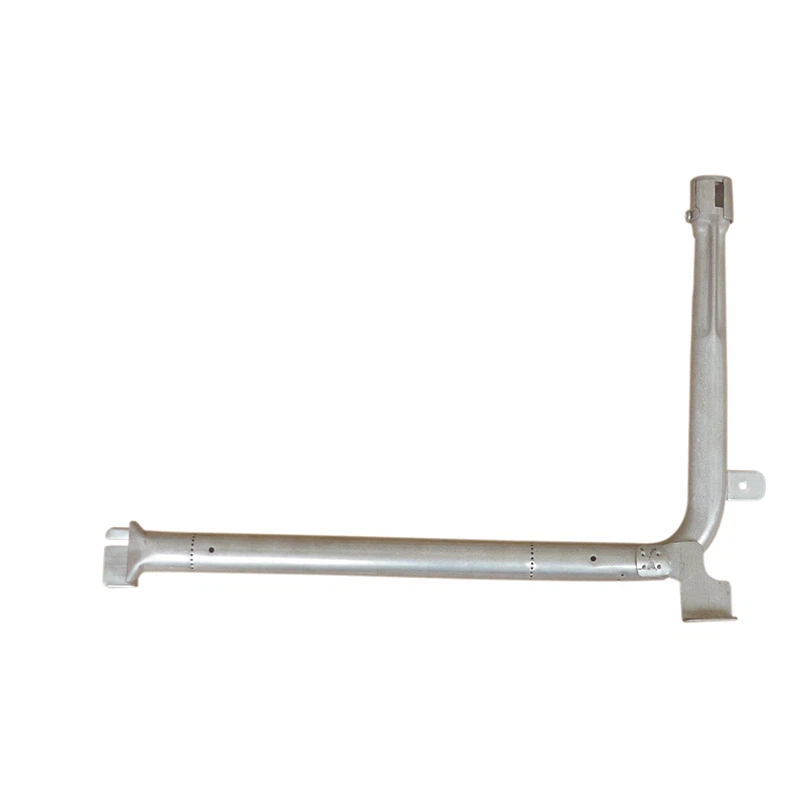
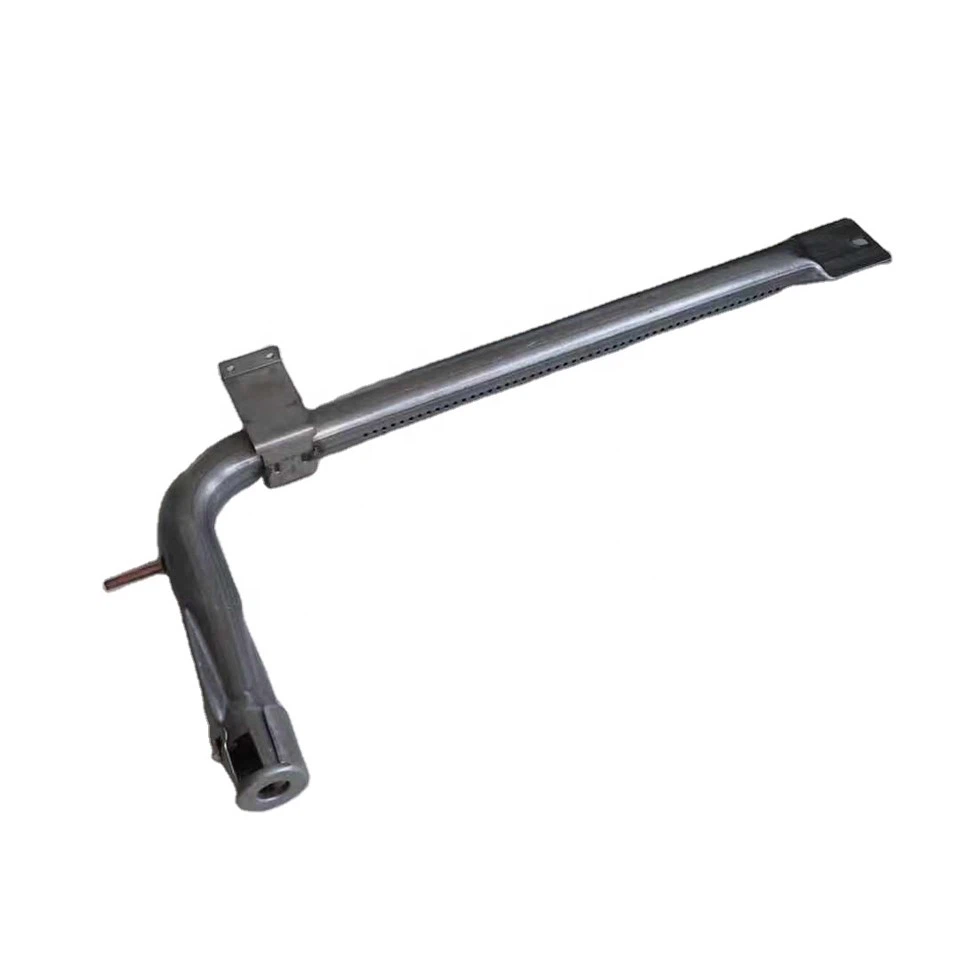
When it comes to disposal, aluminized steel is recyclable. At the end of its useful life, the burner can be melted down and used to make new products. This is a huge plus for the environment as it reduces waste going to landfills.
Now, let me tell you about some of the products we offer. We have a great Stainless Steel Pipe Burner. It combines the durability of stainless steel with the efficiency of our aluminized steel technology. This burner is perfect for a variety of applications, from industrial cooking to heating systems.
We also have a Cooker Gas Supply Pipe. It's designed to work seamlessly with our aluminized steel burners, ensuring a safe and efficient gas supply.
If you're in the market for aluminized steel burners or related products, we'd love to have a chat with you. Whether you're a restaurant owner looking to upgrade your kitchen equipment or an industrial facility in need of reliable heating solutions, we can help. Our team of experts can provide you with all the information you need and help you choose the right product for your specific needs.
In conclusion, while aluminized steel burners aren't perfect from an environmental perspective, they do offer some significant environmental benefits. Their energy efficiency, long lifespan, and recyclability make them a better choice compared to many other burner options. And as the industry continues to evolve, we're confident that we'll be able to further reduce the environmental impact of our products.
So, if you're interested in learning more or making a purchase, don't hesitate to reach out. We're here to answer your questions and help you find the best aluminized steel burner solutions for your business.
References:
- "Metals in Construction: Properties and Performance" by John M. Haslam
- "Environmental Impact of Metal Production" - A report from the International Resource Panel