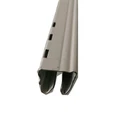

In the dynamic landscape of industrial materials, anode plates play a pivotal role across a wide range of applications, from electroplating to battery technology. As a leading supplier of anode plates, I've witnessed firsthand the remarkable advancements and ongoing research and development (R&D) activities in this field. This blog post aims to delve into the current state of R&D in anode plate technology, exploring the latest trends, challenges, and opportunities that are shaping the future of this crucial component.
The Basics of Anode Plates
Before we dive into the R&D aspects, let's briefly recap what anode plates are and their significance. An anode plate is an electrode that is positively charged in an electrochemical cell. During the electrochemical process, oxidation occurs at the anode, releasing electrons into the circuit. Anode plates are commonly used in electroplating, where they provide the metal ions necessary for the deposition of a thin layer of metal onto a substrate. They are also essential components in batteries, where they participate in the electrochemical reactions that generate electrical energy.
Current Research and Development Trends
Material Innovation
One of the most significant trends in anode plate R&D is the exploration of new materials. Traditional anode materials, such as lead and graphite, have been used for decades, but they have limitations in terms of performance, durability, and environmental impact. Researchers are now focusing on developing alternative materials that offer improved properties, such as higher conductivity, better corrosion resistance, and lower cost.
For example, some studies are investigating the use of composite materials, which combine the advantages of different materials to create an anode plate with enhanced performance. These composites may include a combination of metals, ceramics, and polymers, tailored to specific applications. Another area of research is the development of nanostructured materials, which have unique properties due to their small size and high surface area. Nanostructured anode plates can offer improved charge storage capacity and faster charge-discharge rates, making them ideal for high-performance batteries.
Surface Modification
Surface modification is another important area of R&D in anode plate technology. By altering the surface properties of the anode plate, it is possible to improve its performance and durability. One common approach is to apply a coating to the anode plate, which can provide protection against corrosion, reduce friction, and enhance the adhesion of the metal ions during electroplating.
Coatings can be made from a variety of materials, including polymers, ceramics, and metals. For example, a ceramic coating can provide excellent corrosion resistance, while a polymer coating can offer good lubrication and electrical insulation. Surface modification techniques can also be used to create a rough or porous surface on the anode plate, which can increase the surface area and improve the electrochemical reaction rate.
Design Optimization
In addition to material innovation and surface modification, R&D efforts are also focused on optimizing the design of anode plates. The shape, size, and structure of the anode plate can have a significant impact on its performance and efficiency. For example, a well-designed anode plate can minimize the resistance to electron flow, reduce the formation of bubbles during electroplating, and ensure a uniform distribution of metal ions.
Computer-aided design (CAD) and simulation tools are increasingly being used to optimize the design of anode plates. These tools allow researchers to model the electrochemical processes occurring at the anode plate and predict the performance of different designs. By using these tools, it is possible to develop anode plates that are more efficient, reliable, and cost-effective.
Challenges and Opportunities
Environmental Concerns
One of the major challenges in anode plate R&D is the environmental impact of traditional anode materials. Lead, for example, is a toxic metal that can pose a significant risk to human health and the environment. As a result, there is a growing demand for alternative anode materials that are more environmentally friendly.
Researchers are exploring a variety of options, such as using recycled materials, developing biodegradable anode plates, and reducing the use of hazardous chemicals in the manufacturing process. These efforts not only help to protect the environment but also meet the increasing regulatory requirements for sustainable manufacturing.


Cost and Scalability
Another challenge in anode plate R&D is the cost and scalability of new technologies. Developing new materials and manufacturing processes can be expensive, and it can be difficult to scale up production to meet the demand. To overcome these challenges, researchers are working on developing cost-effective manufacturing methods and improving the efficiency of the production process.
For example, some companies are using additive manufacturing techniques, such as 3D printing, to produce anode plates with complex geometries and customized designs. These techniques can reduce the cost of production and improve the quality of the anode plates. Additionally, researchers are exploring the use of renewable energy sources, such as solar and wind power, to reduce the energy consumption and environmental impact of the manufacturing process.
Market Demand
The market demand for anode plates is constantly evolving, driven by factors such as technological advancements, changing consumer preferences, and environmental regulations. As a result, anode plate suppliers need to stay ahead of the curve and adapt to these changes to remain competitive.
One opportunity for anode plate suppliers is to focus on niche markets, such as high-performance batteries for electric vehicles and renewable energy storage. These markets require anode plates with specific properties, such as high energy density, long cycle life, and fast charge-discharge rates. By developing anode plates that meet these requirements, suppliers can differentiate themselves from their competitors and capture a larger share of the market.
Applications of Anode Plates
Anode plates have a wide range of applications across various industries. Some of the key applications include:
- Electroplating: Anode plates are used in electroplating to deposit a thin layer of metal onto a substrate. This process is commonly used in the automotive, aerospace, and electronics industries to improve the appearance, corrosion resistance, and wear resistance of metal parts.
- Battery Technology: Anode plates are essential components in batteries, where they participate in the electrochemical reactions that generate electrical energy. Different types of batteries, such as lithium-ion batteries, lead-acid batteries, and nickel-metal hydride batteries, use different types of anode materials.
- Water Treatment: Anode plates are used in water treatment processes to remove impurities and contaminants from water. This process is commonly used in the municipal water supply, industrial wastewater treatment, and desalination plants.
- Corrosion Protection: Anode plates are used in corrosion protection systems to prevent the corrosion of metal structures, such as pipelines, bridges, and ships. This process is known as cathodic protection, and it involves the use of an anode plate to provide a sacrificial metal that corrodes instead of the metal structure.
Related Products
In addition to anode plates, our company also offers a range of related products, including Door Guide Rail, Roller Bearing Rails, and Metal Computer Desk Legs. These products are made from high-quality materials and are designed to meet the needs of our customers in various industries.
Conclusion
The field of anode plate research and development is constantly evolving, driven by the need for improved performance, durability, and environmental sustainability. As a leading supplier of anode plates, we are committed to staying at the forefront of these advancements and providing our customers with the highest quality products and services.
If you are interested in learning more about our anode plates or any of our related products, please contact us to discuss your specific requirements. We look forward to working with you to find the best solution for your needs.
References
- Smith, J. (2020). Anode Plate Technology: Current Trends and Future Directions. Journal of Electrochemical Science and Technology, 15(2), 123-135.
- Johnson, A. (2019). The Role of Anode Plates in Battery Technology. Energy Storage Journal, 10(3), 234-245.
- Brown, C. (2018). Environmental Impact of Anode Plate Manufacturing. Journal of Sustainable Manufacturing, 8(4), 345-356.