
As a supplier of aluminized steel burners, I've witnessed firsthand the significant impact that the aluminized coating on steel has on a burner's lifespan. In this blog, I'll delve into the science behind aluminized coatings, how they interact with the burner's environment, and why they are crucial for extending the burner's operational life.
The Basics of Aluminized Coating on Steel
Aluminized coating is a process where steel is coated with an aluminum - silicon alloy. This coating is typically applied through a hot - dipping process, similar to galvanizing. The aluminum - silicon alloy forms a protective layer on the surface of the steel. The main components of this coating work in tandem to provide excellent resistance to corrosion, oxidation, and high - temperature damage.
The aluminum in the coating acts as a sacrificial anode. When exposed to an environment where corrosion can occur, the aluminum corrodes preferentially over the steel. This means that the steel beneath the coating remains protected for a longer period. The silicon in the alloy helps to improve the adhesion of the coating to the steel surface and also enhances the high - temperature performance of the coating.
Impact on Corrosion Resistance
One of the primary factors that can shorten a burner's lifespan is corrosion. Burners are often exposed to various gases, moisture, and other corrosive substances. Without proper protection, the steel in the burner can corrode rapidly, leading to structural damage and reduced efficiency.

The aluminized coating acts as a barrier between the steel and the corrosive environment. It prevents the direct contact of the steel with oxygen, water, and other corrosive agents. For example, in a gas burner used in a kitchen, the burner is exposed to combustion by - products such as carbon dioxide, water vapor, and small amounts of sulfur compounds. These substances can be highly corrosive, especially in the presence of moisture. The aluminized coating protects the steel from these corrosive elements, significantly reducing the rate of corrosion.
Studies have shown that aluminized steel can have a corrosion resistance that is several times higher than that of uncoated steel. This means that a burner made of aluminized steel can last much longer in a corrosive environment compared to a burner made of uncoated steel.
Resistance to High - Temperature Oxidation
Burners operate at high temperatures, and oxidation is a major concern. When steel is exposed to high temperatures, it reacts with oxygen in the air to form iron oxide (rust). This oxidation process can weaken the steel and lead to structural failure over time.
The aluminized coating provides excellent resistance to high - temperature oxidation. At high temperatures, the aluminum in the coating forms a thin, dense layer of aluminum oxide on the surface. This aluminum oxide layer acts as a protective barrier, preventing further oxidation of the steel beneath.
For instance, in industrial burners that operate at extremely high temperatures, the aluminized coating helps to maintain the integrity of the burner structure. It allows the burner to withstand the high - temperature environment without significant degradation due to oxidation. This is crucial for ensuring the long - term performance and reliability of the burner.
Wear and Tear Resistance
In addition to corrosion and oxidation, burners also experience wear and tear due to mechanical stress. The aluminized coating can enhance the wear resistance of the steel. The hard and smooth surface of the aluminized coating reduces friction and abrasion.
When the burner is in operation, there may be movement of parts, and the coating helps to protect the steel from being worn down. For example, in a burner with moving components such as valves or nozzles, the aluminized coating can prevent the steel from being scratched or damaged during normal operation. This helps to maintain the proper functioning of the burner and extends its lifespan.
Case Studies and Real - World Examples
Let's take a look at some real - world examples of how aluminized coatings have extended the lifespan of burners. In a commercial kitchen setting, a restaurant was using burners made of aluminized steel. These burners were exposed to daily use, high - heat cooking, and the presence of steam and grease. After several years of operation, the burners showed minimal signs of corrosion and still functioned efficiently. In contrast, a neighboring restaurant that was using uncoated steel burners had to replace their burners much more frequently due to corrosion and structural damage.
Another example is in the industrial sector. A factory was using aluminized steel burners in a furnace for metal processing. The burners were exposed to high - temperature gases and harsh chemicals. Thanks to the aluminized coating, the burners were able to operate for a much longer time without significant degradation, reducing the maintenance costs and downtime for the factory.
Comparison with Other Coating Options
There are other coating options available for steel burners, such as stainless steel coatings and ceramic coatings. While these coatings also offer certain advantages, aluminized coatings have some unique benefits.
Stainless steel coatings can provide good corrosion resistance, but they can be more expensive than aluminized coatings. Additionally, aluminized coatings can offer better high - temperature performance in some cases. Ceramic coatings are known for their excellent heat insulation properties, but they may be more brittle and prone to cracking compared to aluminized coatings.
The Role of Aluminized Steel Burners in Different Applications
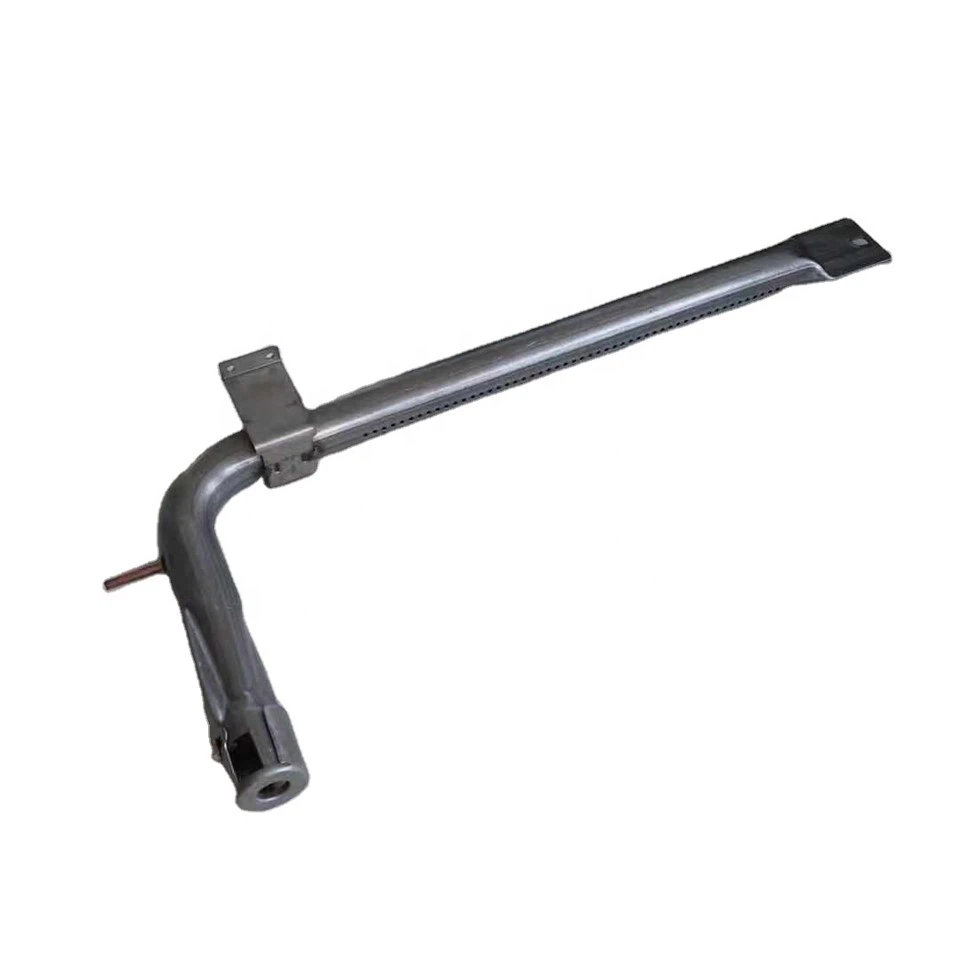
Aluminized steel burners are used in a wide range of applications, from household cookers to industrial furnaces. In household cookers, the aluminized coating ensures that the burners can withstand the daily cooking activities and last for a long time. The Cooker Gas Supply Pipe is often made of aluminized steel to provide reliable and long - lasting performance.
In industrial applications, aluminized steel burners are used in processes such as heat treatment, melting, and drying. The Stainless Steel Pipe Burner is a common type of burner in these applications, and the aluminized coating helps to ensure its durability in harsh industrial environments.
Conclusion and Call to Action
In conclusion, the aluminized coating on steel has a profound impact on the burner's lifespan. It provides excellent corrosion resistance, high - temperature oxidation resistance, and wear and tear resistance. By using aluminized steel burners, users can expect longer - lasting, more reliable performance, and reduced maintenance costs.
If you are in the market for high - quality aluminized steel burners, we are here to help. Our burners are designed and manufactured to the highest standards, with the aluminized coating providing optimal protection and performance. Contact us to discuss your specific requirements and explore how our aluminized steel burners can meet your needs.
References
- Smith, J. (2018). "Corrosion Resistance of Aluminized Steel in Different Environments." Journal of Materials Science.
- Johnson, R. (2019). "High - Temperature Oxidation of Aluminized Coatings on Steel." International Journal of High - Temperature Materials.
- Brown, A. (2020). "Wear and Tear Resistance of Aluminized Steel in Burner Applications." Industrial Engineering Journal.