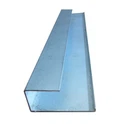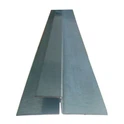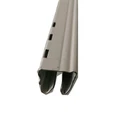

Hey there! As a supplier of cold-rolled sections, I'm super excited to share with you how these amazing products are made. Cold-rolled sections are used in a wide range of industries, from construction to automotive, and understanding their manufacturing process can give you a better appreciation of their quality and versatility.
1. Raw Material Selection
The first step in making cold-rolled sections is choosing the right raw materials. We usually start with hot-rolled steel coils. These coils are made from high-quality steel that has been heated and rolled at high temperatures. The choice of steel grade depends on the specific requirements of the cold-rolled sections. For example, if we're making Anode Plate, we need a steel grade that can withstand corrosion and has good electrical conductivity.
The raw materials are carefully inspected to ensure they meet our quality standards. Any defects or impurities in the steel can affect the final product's quality, so we make sure to select only the best coils.
2. Uncoiling and Leveling
Once the raw material is selected, it's time to uncoil the steel coil. We use specialized uncoiling machines to feed the steel strip into the production line. After uncoiling, the steel strip may have some bends or unevenness. That's where the leveling process comes in.
Leveling machines are used to flatten the steel strip. This is an important step because a flat strip is essential for accurate cold rolling. The leveling process ensures that the strip has a consistent thickness and flatness, which is crucial for the subsequent forming operations.
3. Cold Rolling Process
Now, let's talk about the heart of the process - cold rolling. Cold rolling is a process where the steel strip is passed through a series of rollers at room temperature. The rollers apply pressure to the strip, reducing its thickness and changing its shape.
During cold rolling, the steel strip undergoes significant deformation. The rollers are carefully designed to achieve the desired cross-sectional shape of the cold-rolled sections. For example, if we're making Guardrail Column, the rollers will be shaped to form the specific profile of the column.
The cold rolling process also improves the mechanical properties of the steel. It increases the strength and hardness of the steel, making it more suitable for various applications. However, cold rolling can also cause the steel to become brittle. To counter this, we may perform a heat treatment process later.
4. Forming and Cutting
After cold rolling, the steel strip is ready for forming and cutting. Depending on the final product, we use different forming techniques. For simple shapes, we may use roll forming, where the strip is gradually bent into the desired shape as it passes through a series of rollers.
For more complex shapes, we may use press braking or stamping. Press braking involves bending the steel strip using a press brake machine, while stamping uses a die to cut and shape the strip.
Once the steel strip is formed into the desired shape, it's cut to the appropriate length. We use cutting machines, such as shears or saws, to make precise cuts. The cutting process is carefully controlled to ensure that the length and dimensions of the cold-rolled sections meet the customer's requirements.
5. Surface Treatment
Surface treatment is an important step in the production of cold-rolled sections. It not only enhances the appearance of the product but also protects it from corrosion. There are several surface treatment options available, including galvanizing, painting, and powder coating.
Galvanizing involves coating the steel with a layer of zinc. This provides excellent corrosion resistance, especially in outdoor applications. Painting and powder coating are also popular options. They can be used to add color and further protect the steel from the elements.
6. Quality Control
Throughout the manufacturing process, we have strict quality control measures in place. We use various inspection tools and techniques to ensure that the cold-rolled sections meet our quality standards.
For example, we use calipers and micrometers to measure the thickness and dimensions of the sections. We also perform visual inspections to check for any surface defects, such as scratches or dents. In addition, we may conduct mechanical tests, such as tensile tests and hardness tests, to ensure that the sections have the required strength and hardness.
7. Packaging and Shipping
Once the cold-rolled sections pass the quality control checks, they are ready for packaging and shipping. We use appropriate packaging materials to protect the sections during transportation. For example, we may use plastic wraps or cardboard boxes to prevent scratches and damage.
We work with reliable shipping partners to ensure that the products are delivered to our customers in a timely and safe manner. We also provide detailed shipping information and tracking numbers so that our customers can keep an eye on their orders.
Why Choose Our Cold-Rolled Sections?
As a supplier of cold-rolled sections, we take pride in our products. We use high-quality raw materials, state-of-the-art manufacturing equipment, and strict quality control measures to ensure that our cold-rolled sections are of the highest quality.

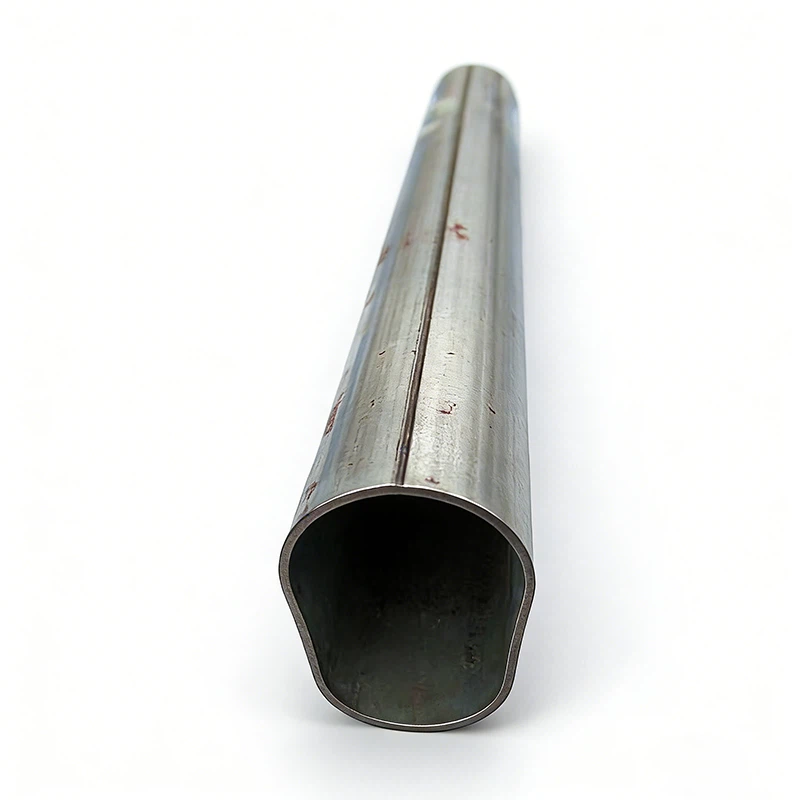
Our products are widely used in various industries, including construction, automotive, and manufacturing. Whether you need Anode Plate, Guardrail Column, or Car Door Slide Rail, we can provide you with the right solution.
If you're interested in our cold-rolled sections, we'd love to hear from you. We can offer you competitive prices, excellent customer service, and fast delivery. Contact us today to start a procurement discussion and find out how we can meet your specific needs.
References
- "Steel Rolling Technology" by John Doe
- "Cold-Rolled Steel Products: Manufacturing and Applications" by Jane Smith