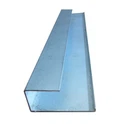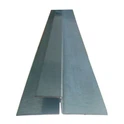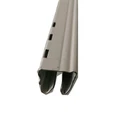

As a supplier of metal stamping parts, I've witnessed firsthand the remarkable advantages that this manufacturing method offers over others. Metal stamping is a process that involves using a press and a die to shape metal sheets into various forms. It's a highly efficient and cost - effective way to produce parts, and here are some of the key benefits that set it apart.
Precision and Consistency
One of the most significant advantages of metal stamping parts is the high level of precision and consistency they offer. In the stamping process, a die is created based on the exact specifications of the part. Once the die is made, it can produce thousands, if not millions, of identical parts with minimal deviation. This is crucial in industries where tight tolerances are required, such as automotive, aerospace, and electronics.
For example, in the automotive industry, components like engine brackets and door hinges need to fit perfectly to ensure the safety and functionality of the vehicle. Metal stamping allows for the production of these parts with extremely accurate dimensions, reducing the risk of assembly issues and improving overall product quality. In contrast, other manufacturing methods like casting may have more variability in dimensions due to factors such as shrinkage during the cooling process.
Cost - Effectiveness
Cost is always a major consideration in manufacturing. Metal stamping is a highly cost - effective method, especially for large - volume production. The initial investment in the die may be relatively high, but as production volume increases, the cost per part decreases significantly. This is because the die can be used repeatedly to produce parts, and the labor and material costs per part are relatively low.
Moreover, metal stamping often requires less raw material compared to other methods. Since the process cuts and shapes the metal sheet, there is less waste generated. For instance, in machining, a significant amount of material is removed from the raw stock, resulting in higher material costs and more scrap. With metal stamping, the material utilization rate is much higher, leading to cost savings in the long run.
High Production Speed
Metal stamping is a fast manufacturing process. Once the die is set up and the press is running, it can produce parts at a very high rate. Some high - speed presses can produce hundreds or even thousands of parts per minute. This makes it ideal for mass - production applications.
In industries such as consumer electronics, where there is a high demand for products and short product life cycles, the ability to produce parts quickly is essential. Metal stamping allows manufacturers to meet these demands and get their products to the market faster. Other manufacturing methods, like forging, may be slower as they often involve multiple steps and require more time for heating and cooling.
Versatility
Metal stamping is a versatile manufacturing method that can be used to produce a wide range of parts in different shapes and sizes. From simple flat washers to complex three - dimensional components, metal stamping can handle it all. The process can be used with various types of metals, including steel, aluminum, copper, and brass.
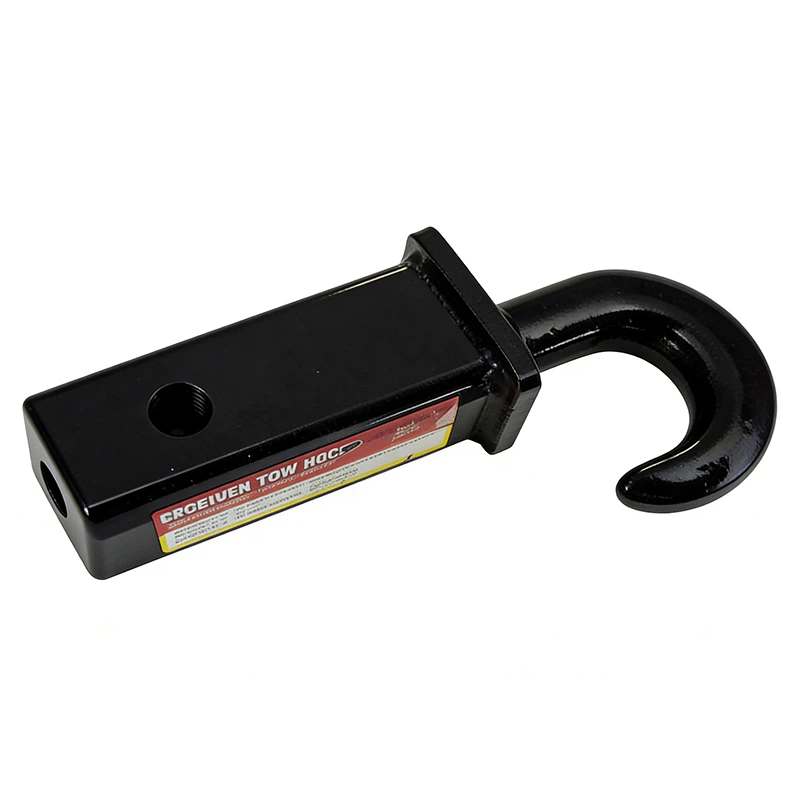
For example, Top Rated Trailer Hitches are often made using metal stamping. The stamping process can create the necessary shapes and features of the trailer hitch, such as the mounting holes and the coupling mechanism, with high precision. Similarly, Portable Spring Balancer parts can be produced through metal stamping, allowing for the efficient manufacturing of these useful tools. And Container Leveler components can also benefit from the versatility of metal stamping, as the process can form the required structural elements with ease.
Strength and Durability
Metal stamping parts are known for their strength and durability. The stamping process can work - harden the metal, increasing its strength. This is particularly important in applications where the parts need to withstand high stress and load.
In the construction industry, metal stamping parts are used in structural components such as brackets and connectors. These parts need to be strong enough to support the weight of the building and resist external forces. Metal stamping ensures that these parts have the necessary strength and can last for a long time. In comparison, parts made from plastic or other materials may not have the same level of strength and durability.
Design Flexibility
Metal stamping offers great design flexibility. Designers can create complex shapes and features in the parts by using different types of dies and stamping operations. This allows for the development of innovative products that meet specific customer requirements.
For example, a new product design may require a part with a unique shape or a combination of different features. Metal stamping can accommodate these design needs. The ability to make design changes is also relatively easy in metal stamping. If a design needs to be modified, the die can be adjusted or a new die can be created, usually at a lower cost compared to other manufacturing methods.
Environmental Friendliness
In today's world, environmental considerations are becoming increasingly important. Metal stamping is a relatively environmentally friendly manufacturing method. As mentioned earlier, it generates less waste compared to other processes like machining. The scrap metal from the stamping process can often be recycled, reducing the overall environmental impact.
Additionally, the energy consumption in metal stamping is relatively low compared to some other manufacturing methods. The high - speed production and efficient use of materials contribute to a more sustainable manufacturing process.
Quality Control
Quality control is easier to implement in metal stamping. Since the parts are produced using a die, it's relatively straightforward to check the dimensions and quality of the parts. Statistical process control techniques can be used to monitor the production process and ensure that the parts meet the required specifications.
In a metal stamping facility, quality control measures can be set up at various stages of the production process. For example, the raw material can be inspected before it enters the stamping process, and the finished parts can be inspected after stamping. This helps to identify and correct any quality issues early on, reducing the number of defective parts and improving overall product quality.
Ease of Assembly
Metal stamping parts are often designed to be easily assembled. The precision and consistency of the parts ensure a good fit during the assembly process. This reduces the time and effort required for assembly, leading to increased productivity.
In an assembly line, parts that are easy to assemble can improve the overall efficiency of the production process. Metal stamping parts can be designed with features such as holes, tabs, and slots that facilitate assembly. This is in contrast to some other manufacturing methods where parts may require additional machining or finishing operations to make them suitable for assembly.
If you are in need of high - quality metal stamping parts for your business, we are here to help. Our experienced team can work with you to understand your specific requirements and provide customized solutions. We have a wide range of capabilities in metal stamping, and we are committed to delivering products that meet the highest standards of quality and performance. Contact us today to start a procurement discussion and explore how our metal stamping parts can benefit your manufacturing process.
References
- Groover, M. P. (2010). Fundamentals of Modern Manufacturing: Materials, Processes, and Systems. Wiley.
- Kalpakjian, S., & Schmid, S. R. (2014). Manufacturing Engineering and Technology. Pearson.